
Hi, I’m Adriel Luis. I am an artist, curator, and community organizer who believes in the social power of our collective imagination. I curate community-centered art shows, make art that thrives on collaboration, and share ideas for cultivating creative, ambitious, loving ways to address today’s most pressing issues.
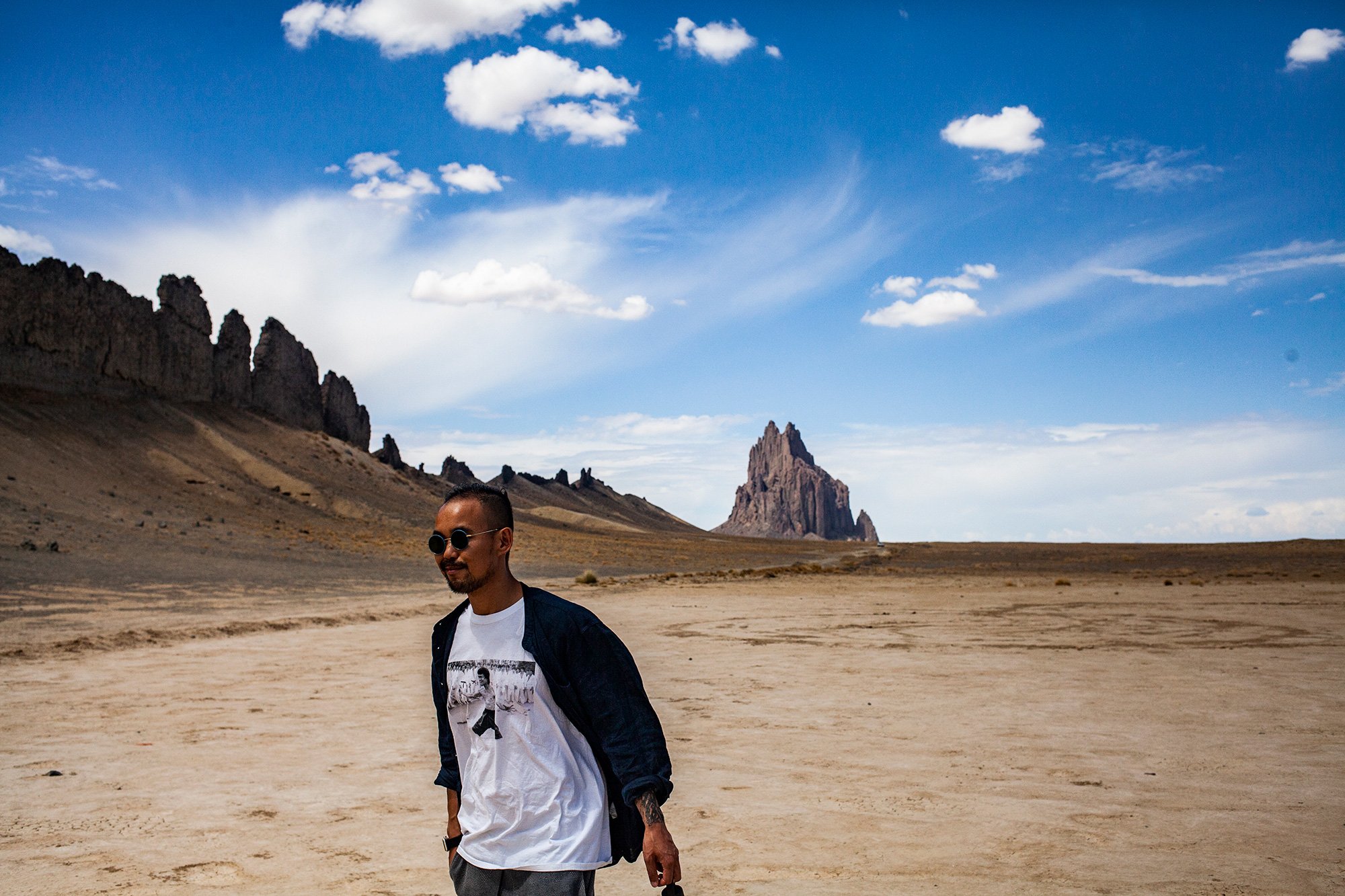
Photo by Carmille Garcia
Adriel Luis is a community organizer, artist, writer, and curator who believes that collective liberation can happen in poetic ways. His life’s work is focused on the mutual thriving of artistic integrity and social vigilance. He is a part of the iLL-Literacy arts collective, which creates music and media to strengthen Black and Asian coalitions, and is creative director of Bombshelltoe, a collaborative of artists and leaders from frontline communities responding to nuclear histories. From 2013 to 2026, Adriel was the Curator of Digital and Emerging Practice at the Smithsonian Asian Pacific American Center, where he collaborated with artists and community leaders to produce projects that challenge institutional norms. His ancestors are rooted in Toisan, China, and migrated through Hong Kong, Mexico, and the United States. Adriel was born on Ohlone land.
Adriel has curated projects in a range of venues including several museums across the Smithsonian in Washington D.C.; MoMA and Pearl River Mart in New York City; Queensland Art Gallery in Brisbane, Australia; Silo Park in Auckland, Aotearoa; Atom Bar in Buenos Aires, Argentina; and an abandoned Foodland in Honolulu, Hawaiʻi. His writing has appeared in Poetry Magazine, the Asian American Literary Review, and Smithsonian Magazine. He has spoken at the Tate Modern, Yale University, the National Museum of African American History and Culture, and the China Academy of Fine Arts. His performance venues include the Brooklyn Academy of Music, SXSW, the John F. Kennedy Center, and the American University of Paris. He has a degree from UC Davis in Community and Regional Development and a minor in Asian American Studies. His latest collection of poetry, DADRIEL (2024), is a reflection on his first years of fatherhood.
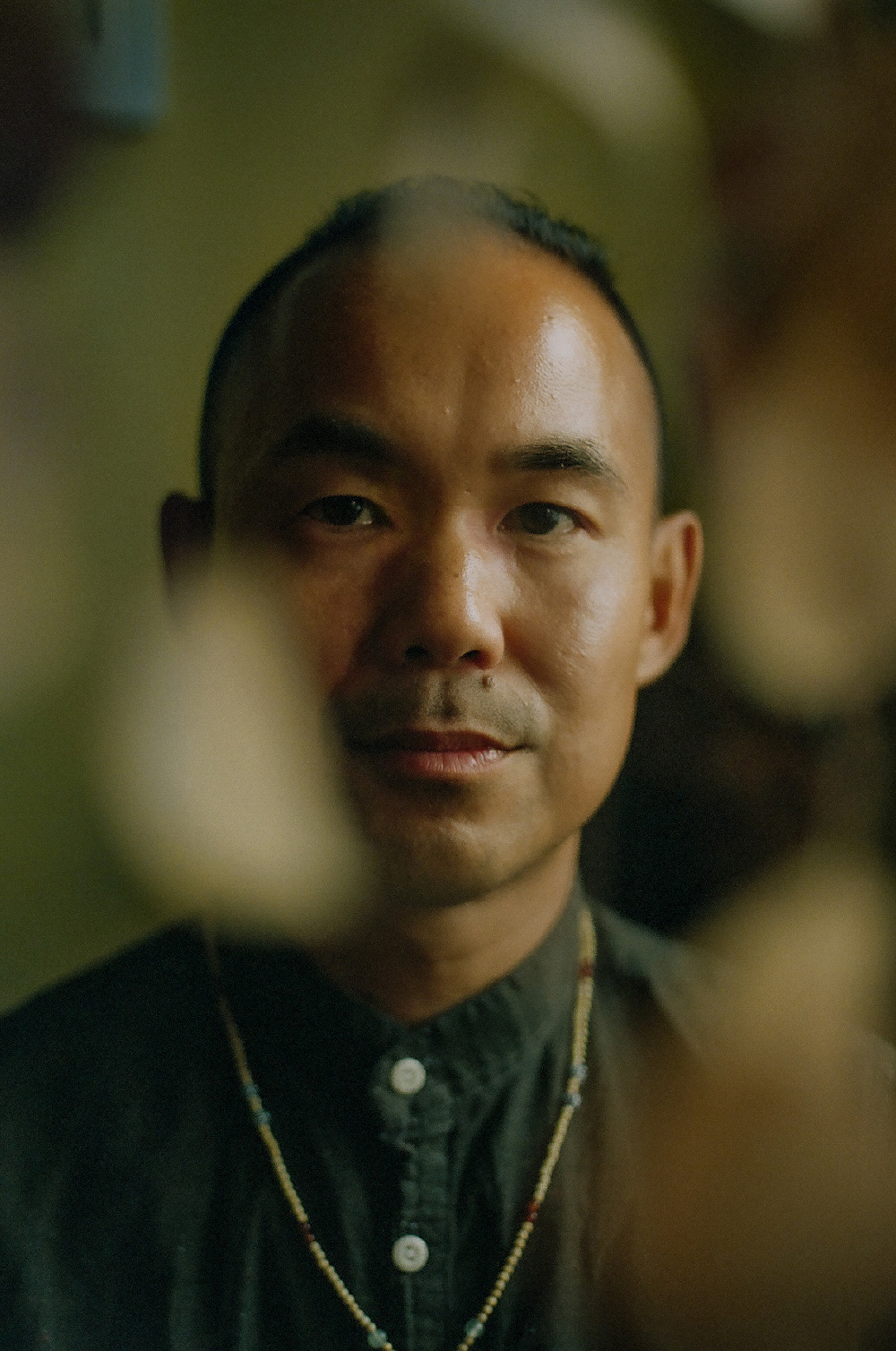
Photo by Jess X. Snow
Please get in touch via a@drzzl.com or the form below. TTYS!
*email address is encoded, please type it out manually instead of copy+paste
Most of what I do is with
Phenomenoun
A creative shop that finds beautiful approaches to difficult conversations.
Bombshelltoe
An arts collective that highlights the human side of nuclear issues.
iLL-Literacy
An ever-evolving ensemble chasing the limits of words, music & art.

SmithsonianAPA
A community-centered museum at the edge of creative culture.
Current / Recent
I’m currently researching, critiquing & imagining beyond how histories of colonization shape our everyday lives. Most of my current projects investigate what connects indigeneity, diaspora & belonging. Right now I’m reading and thinking about origin/creation stories, histories of healing practices, and digital intimacy.
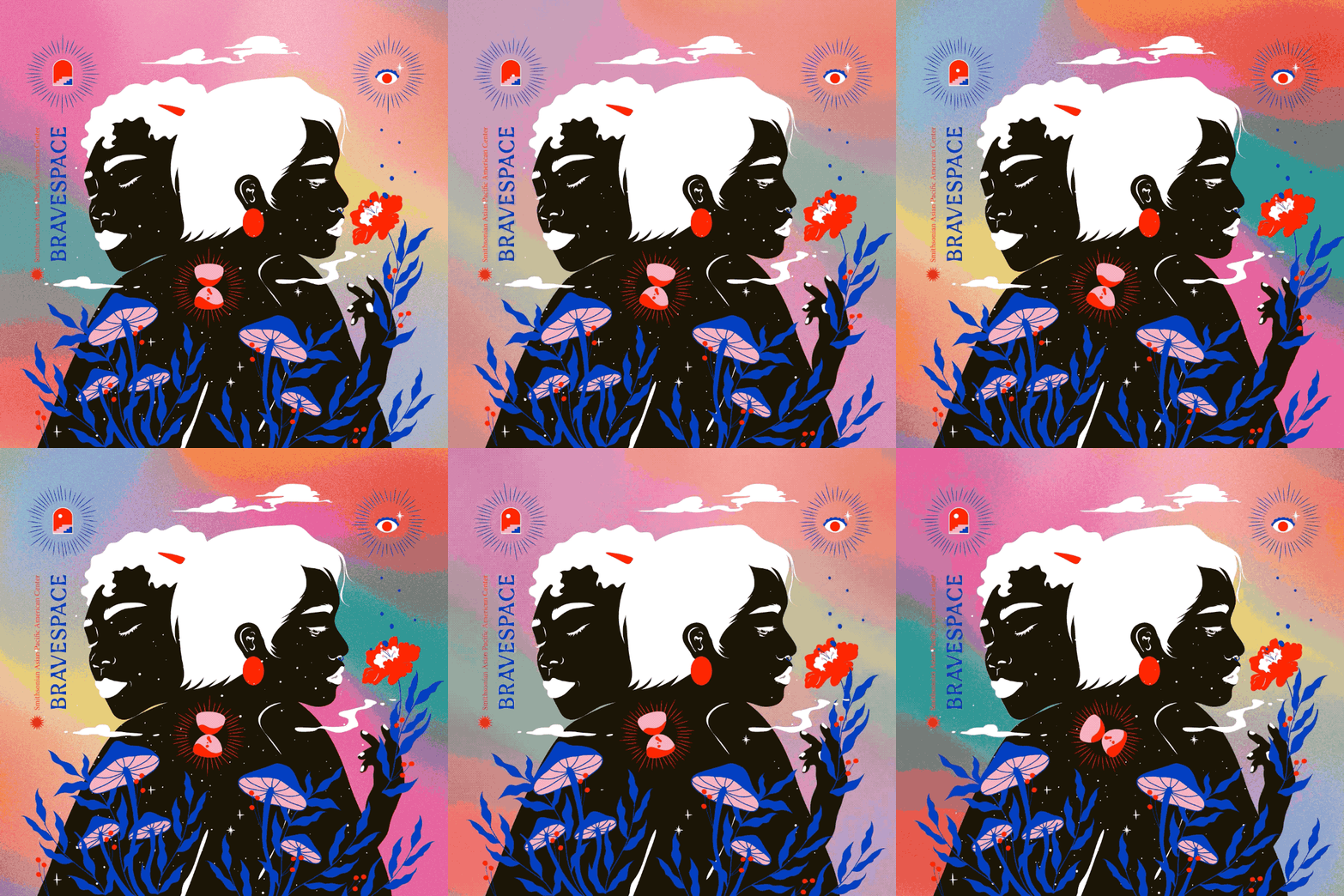
Bravespace
A New Music Compilation for Meditation, Mindfulness, and Collective Healing
Above image: Bravespace cover art by Amanda Phingbodhipakkiya
Bravespace is a compilation of original songs, sounds, and meditations created by Asian American women and non-binary artists and musicians, presented by the Smithsonian Asian Pacific American Center. Arriving amidst a period of collective trauma and heightened xenophobic violence, Bravespace offers listeners a refuge for contemplation, grief, and growth.
Commissioned at the beginning of the 2020 COVID-19 lockdown, APAC spent almost three years collaborating with these musicians, artists, and cultural practitioners to vividly capture how an intensely challenging moment could lead to personal discovery and collective healing. Bravespace, which received critical support from the Smithsonian American Women’s History Initiative, adds complexity to the greater landscape of meditation and healing arts tools by centering perspectives that have long been marginalized.
Curated and produced by
Adriel Luis
Hollis Wong-Wear
Erika Shimizu
Participating artists
Low Leaf
MILCK
Arushi Jain
Our Daughter
Kwonyin
Erika Shimizu
Ana Roxanne
Hollis
mayx
JusMoni
Chong the Nomad
Amanda Phingbodhipakkiya
Keeping Ourselves Collected
Researching the Smithsonian's imperial legacy and current role in racial discourse.
The Smithsonian Institution’s public narrative often glosses over the United States Exploring Expedition (1838–1842), the historic endeavor led by Charles Wilkes that seized over 4000 specimens, artifacts, and human remains throughout Asia, the Pacific Islands, and the western coasts of the Americas, which later became the foundation of the Smithsonian’s collections.
Today, the Smithsonian is revered for holding one of the world’s most expansive collections, a world-class resource for “the increase and diffusion of knowledge.” Yet, the framework of the Smithsonian as a flagship for American exceptionalism is in growing tension with campaigns to highlight communities of color which are increasingly intersectional, fluid, and diasporic.
The Smithsonian Asian Pacific American Center has met these challenges by introducing Culture Labs to instill emerging practices and community principles. This paper investigates the history and implications of museum programming and education practices that engage and transmute the imperial legacies of institutions.
Ways of Knowing
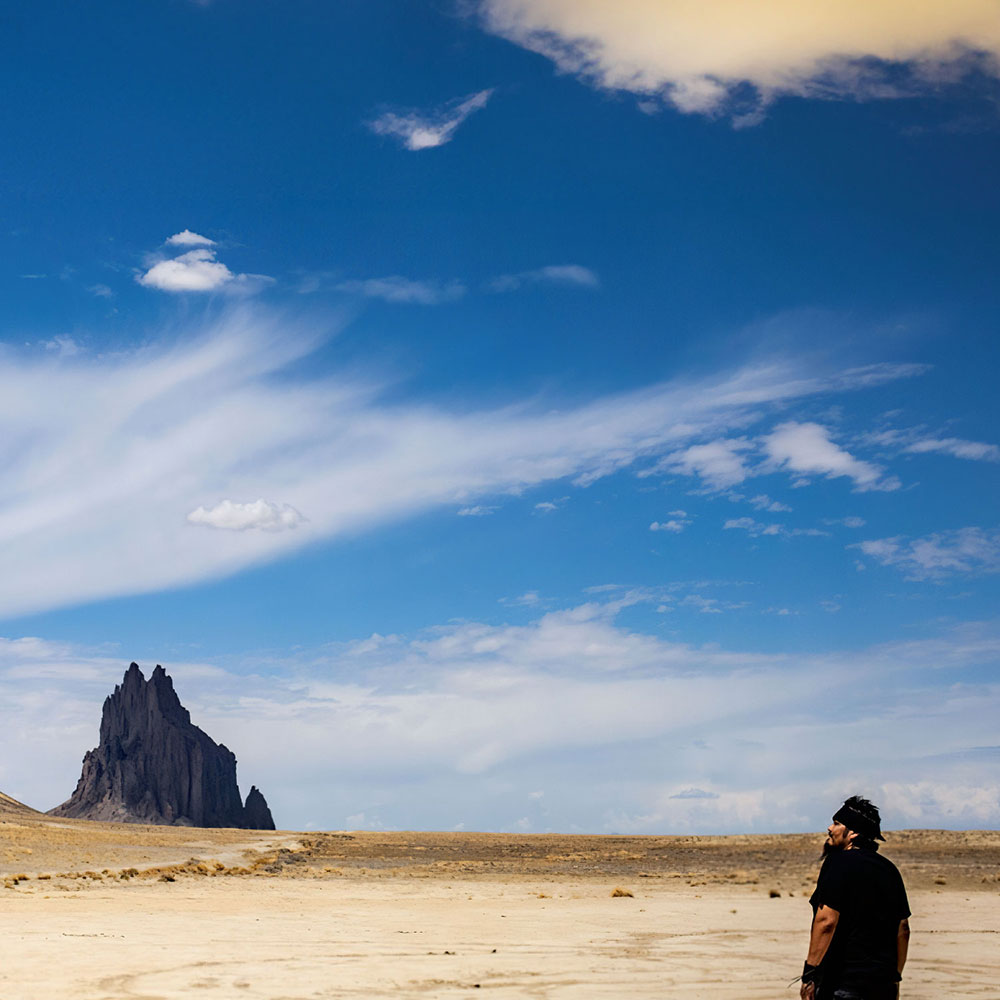
An immersive film about the nuclear history of Navajoland, and the people protecting their lifeways.
Above image: Bobby Leonard Mason, photo by Carmille Dudeck
Ways of Knowing is an immersive short documentary film presented in virtual reality and fulldome formats, where Navajo traditional culture and ecological knowledge reclaim and retell the nuclear legacy of the Southwest. It is an invitation to experience and learn the land — to unsee state borders, land claims, and uranium mines, and instead acknowledge the sacredness of the landscape and its capacity to heal under the loving stewardship of Indigenous elders, scholars and activists.
Premiered at SXSW 2025, the film has since toured across Navajoland and in Japan, where it screened to hibakusha (atom bomb survivors) in Hiroshima, Nagasaki, and Tokyo.
Ways of Knowing is a production of Bombshelltoe. Co-produced by Sunny Dooley, Lovely Umayam & Adriel Luis. Film directed by Kayla Briët. Photography by Carmille Dudeck.
Bigger Than the Internet
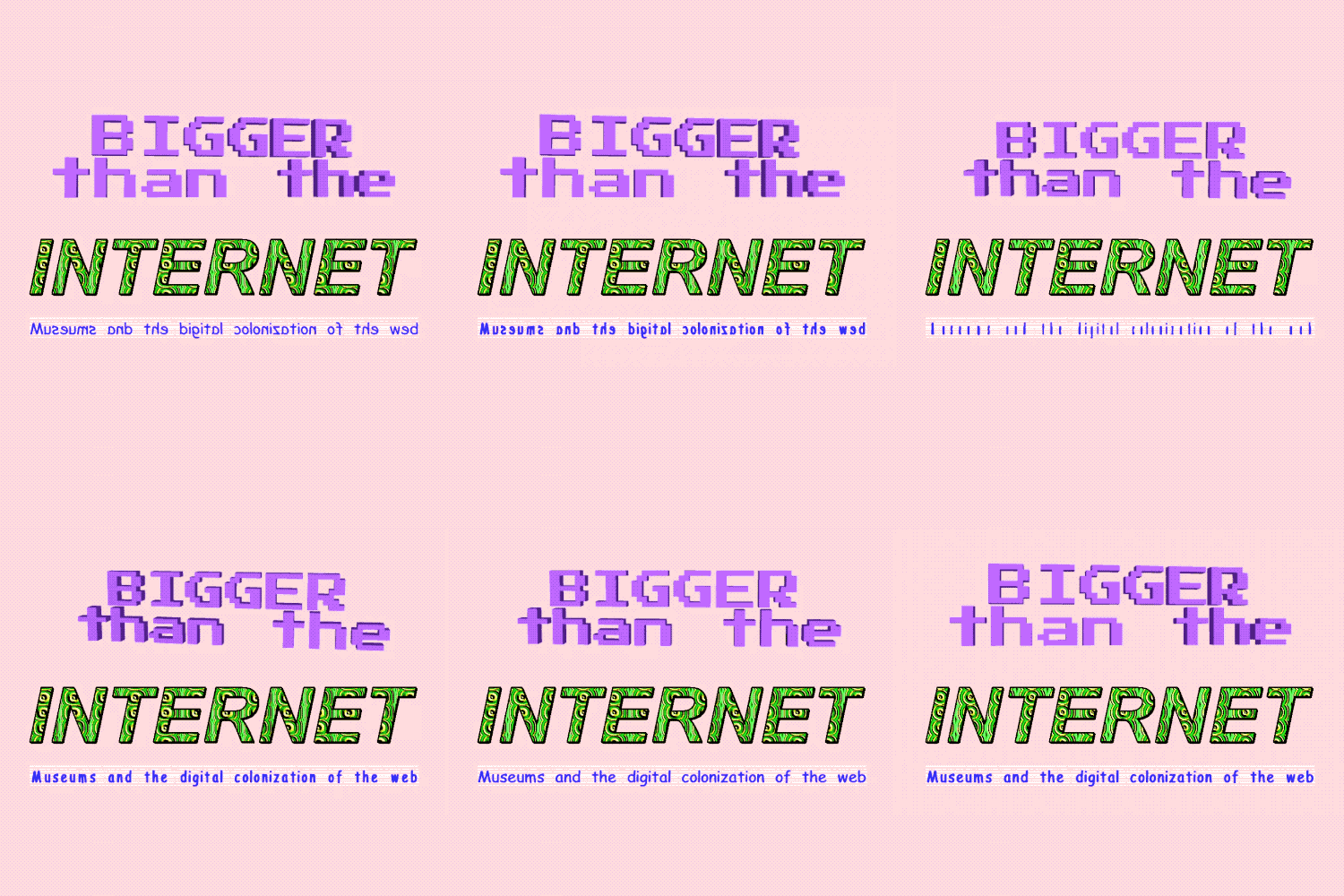
A story about museums and the digital colonization of the web.
Museums are increasingly expressing interest in equity, social justice, and even decolonization, in large part due to their growing investment in online spaces where such topics have risen to the top of public consciousness. But this investment has also led to heightened dependency on internet and social media platforms which center profit and gain, often through data mining, invasive advertisements, misinformation, and other behavior which run counter to principles of open and democratic society. Thus, museums’ aspirations to be participants and leaders in public service are at odds with the capitalistic endeavors of the companies which they have tethered to their notions of success. This paper investigates the relationship between museums and exploitive data collection practices, from their colonial histories to their uncertain futures. In recognition of decolonizing methodologies, the writer invites the reader through personal narrative, cross-disciplinary research, and a few hot takes.
The concept for Bigger Than the Internet began in 2018 when I was invited by scholar Dana Allen-Greil to offer a guest lecture for a museum studies course at Georgetown University on digital curation. While I began writing this with the intention of formally publishing it in an academic journal, upon completing it I decided to share it in the spirit of the thinkers who inspired it and who I reference throughout – widely accessible, open for community feedback, and free. While I am open to sharing this with formal publications, I am committed to presenting this research and these ideas as part of an ongoing conversation unrestricted by exclusionary forums and paywalls. I am grateful for scholars Jaclyn Roessel, Wendy Ng, and Audrey Hudson for contributing edits and feedback, and I’m honored to have debuted this on June 2, 2021 through [COLLECTIVE LIBERATION] DISRUPT, DISMANTLE, MANIFEST, an equity coalition convening facilitated by Museums and Race, MASS Action, Museum Workers Speak, Death to Museums, The Incluseum, Museums Are Not Neutral, Empathetic Museum, and Visitors of Color; andon June 3, 2021 in an episode of DISCOVERY presented by the Knight Foundation.
The Color Curtain Project
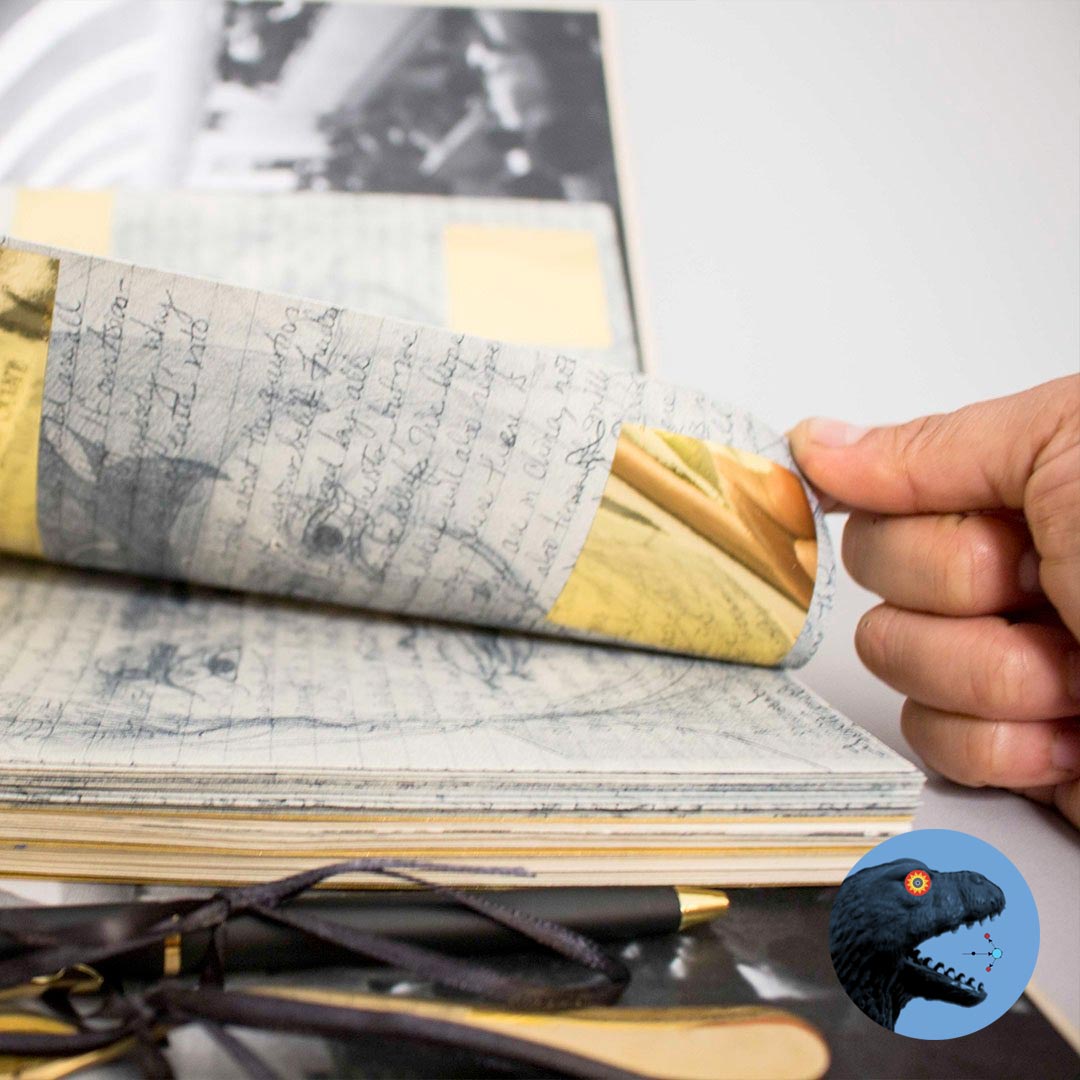
An art book & culinary experience that reflects on Afro-Asian solidarity & community.
The Color Curtain Project is a series of dinner parties and art book presentations that bring individuals of African and Asian diasporic identities together. By breaking bread, learning history, and sharing stories, the project encourages constructive dialogue around political and social justice challenges that entwine global experiences today.
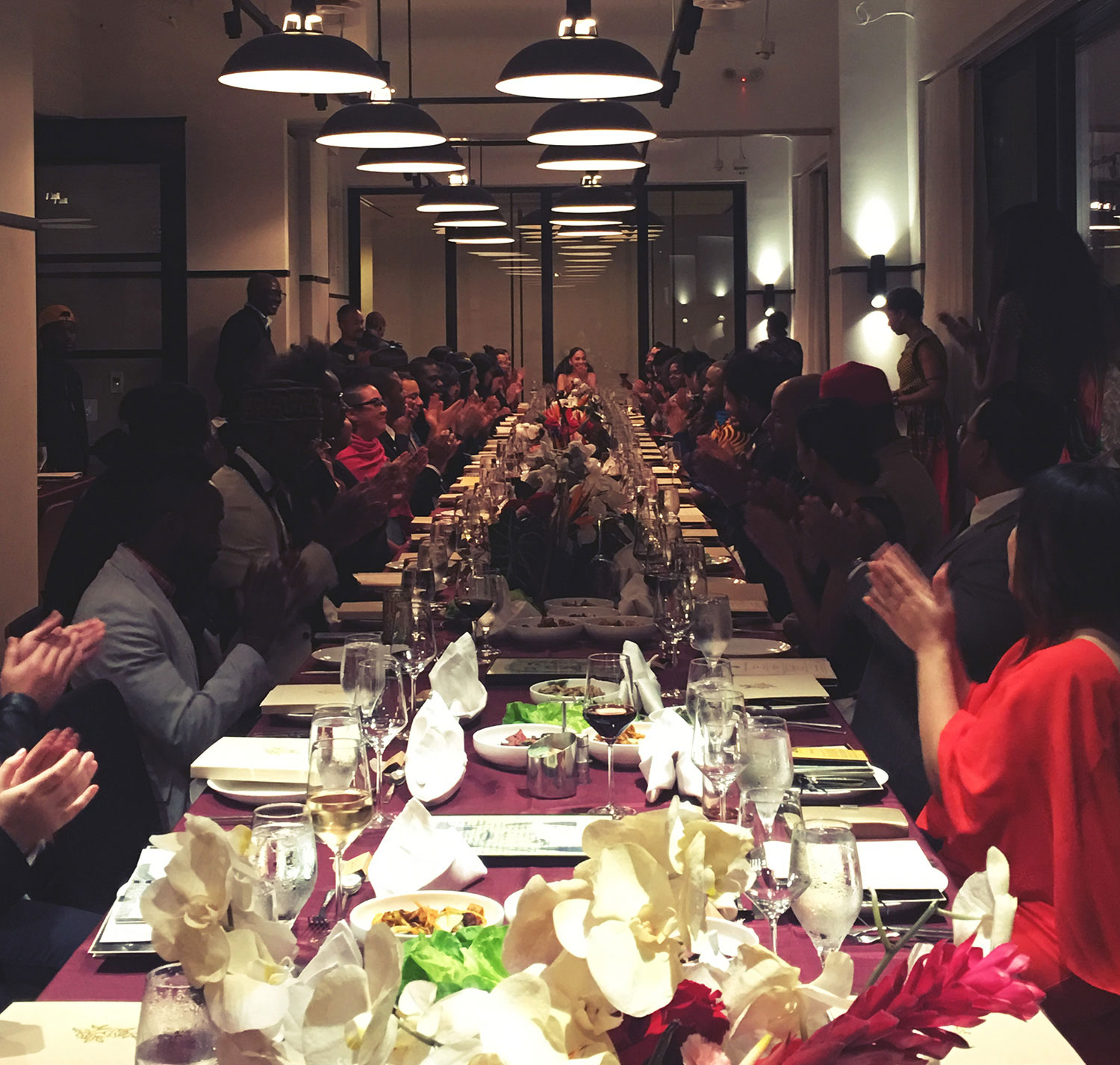
The project takes its name from The Color Curtain (1956), a travelogue by Richard Wright, who authored the American literary classics Native Son and Black Boy. The Color Curtain summarizes Wright’s observations as an African-American reporter covering the Bandung Conference — an epic convening in April 1955 held in Bandung, Indonesia between twenty-nine Asian and African countries eager to establish a coalition denouncing racism, colonialism, and nuclear war. The Color Curtain is not a comprehensive or technical account of what transpired in Bandung; Wright did not delve into the political and bureaucratic dealings between statesmen. Rather, The Color Curtain offers a personal snapshot of his experience witnessing the collision of Afro-Asian identities, and their collective struggle to find political, economic, and social freedom after many decades of colonial rule.
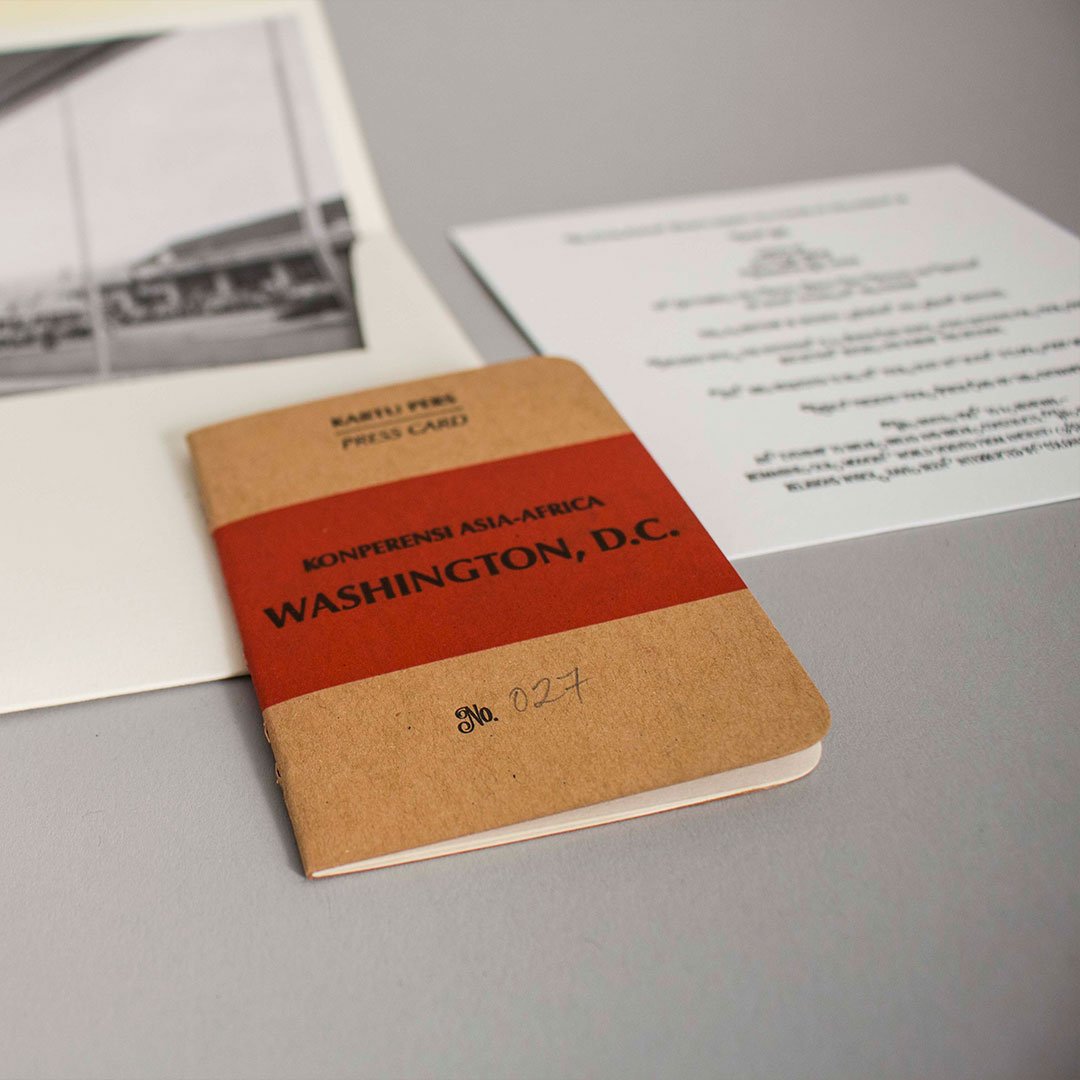
Many people do not know about The Bandung Conference or The Color Curtain, but their themes, achievements, and shortcomings still reverberate today. The Color Curtain Project aims to celebrate and critically reflect on the connections between past and present by offering a contemporary interpretation over dinner and urging guests to think about what has changed, if at all, between the Afro-Asian diasporic relationship since 1955.
The Color Curtain Project is a collaboration between Washington, DC- and New York-based scholars, artists, and entrepreneurs: Tammy Nguyen, Aerica Shimizu Banks, Seda Nak, Erik Bruner-Yang, Desirée Venn Frederic, Lovely Umayam & Adriel Luis.
Lifelines
Accounting for the experiences of women in nuclear policy during the Covid-19 pandemic
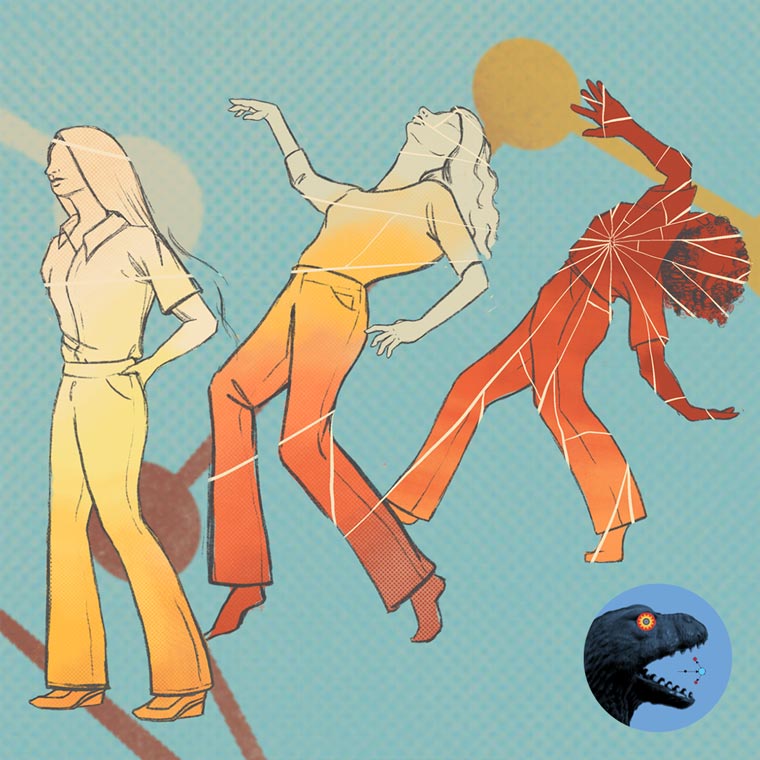
Lifelines is a collection of personal reflections about the experiences of nuclear policy and technical practitioners during the height of the Covid-19 pandemic (2020 - 2021). Many of these stories come from women in the field who, like everyone else, suffered the immediate physical and mental strain of this crisis: fear of widespread illness and death; the loneliness of lockdown; and the exhaustion from a frenetic lifestyle that collapsed the boundary between personal and professional space.
Yet they also wrestle with biases and challenges — as nuclear experts who double as mothers, or junior and mid-careers reckoning with gender barriers reinscribed in virtual, socially-distant work environments — that complicate their vision of a secure future for the world and for themselves.
Introduction by
Lovely Umayam
Illustrations by
Elisa Reverman
Essays by
Victoria Wu
Anu Damale
Chantell Murphy
Ana Velasco
Anecdotes from
The Gender Champions for Nuclear Policy Gendered Impacts of Covid-19 Survey
Web design by
Adriel Luis
Curation
I see my curatorial practice as a method of community organizing, and my work with Smithsonian Culture Labs and independent exhibitions are efforts to build spaces for people to gather and grow. I am most interested in curating with large groups, and see these as opportunities to cultivate lasting relationships.
3AM: Time Sensitive
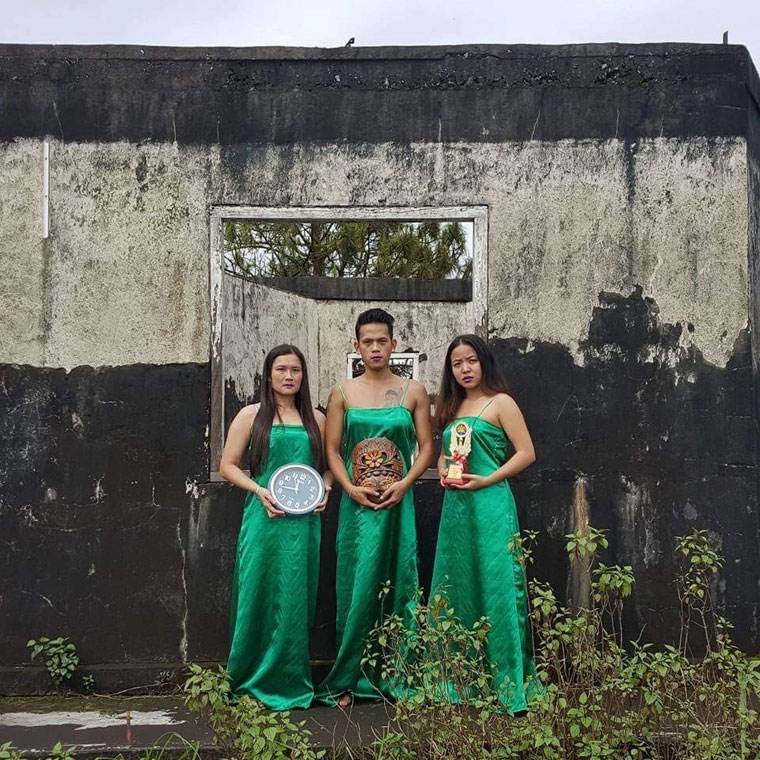
The Myanmar collective's U.S. debut examines the depths of global empathy and solidarity.
Wavelength
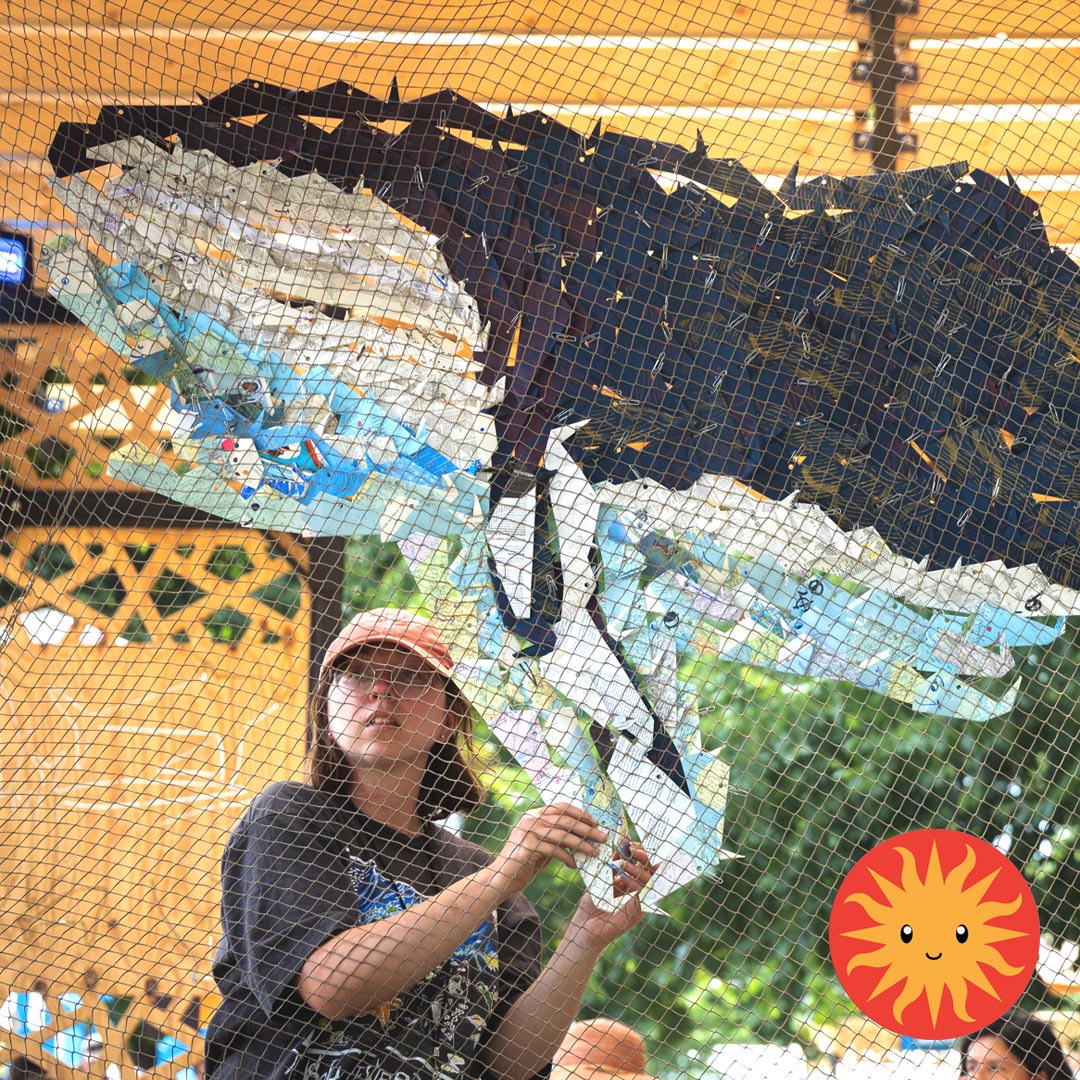
A series of art projects that illustrate the connection between humans and sea life.
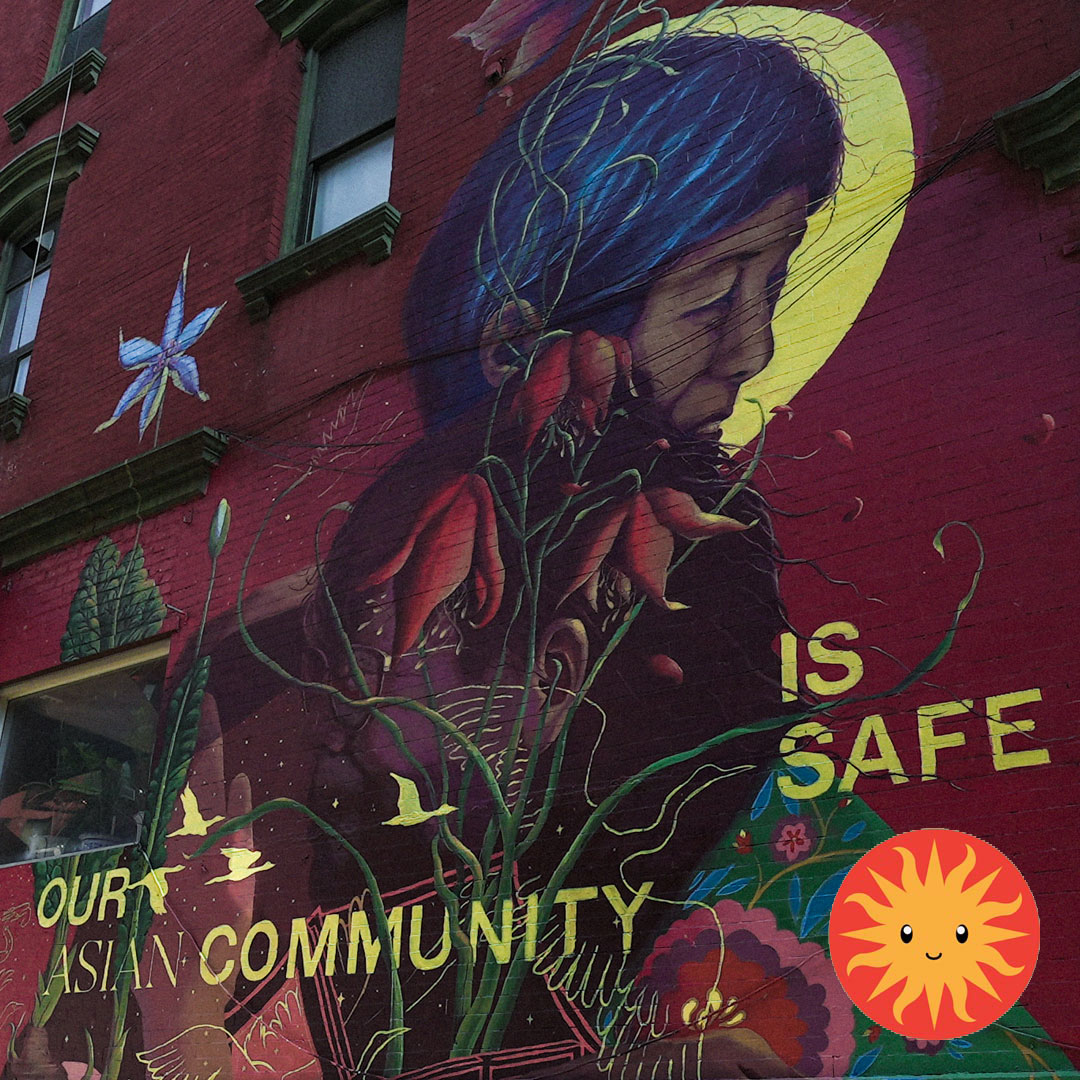
In the Future
Jess X. Snow presents a portal to the future where our Asian community is safe.
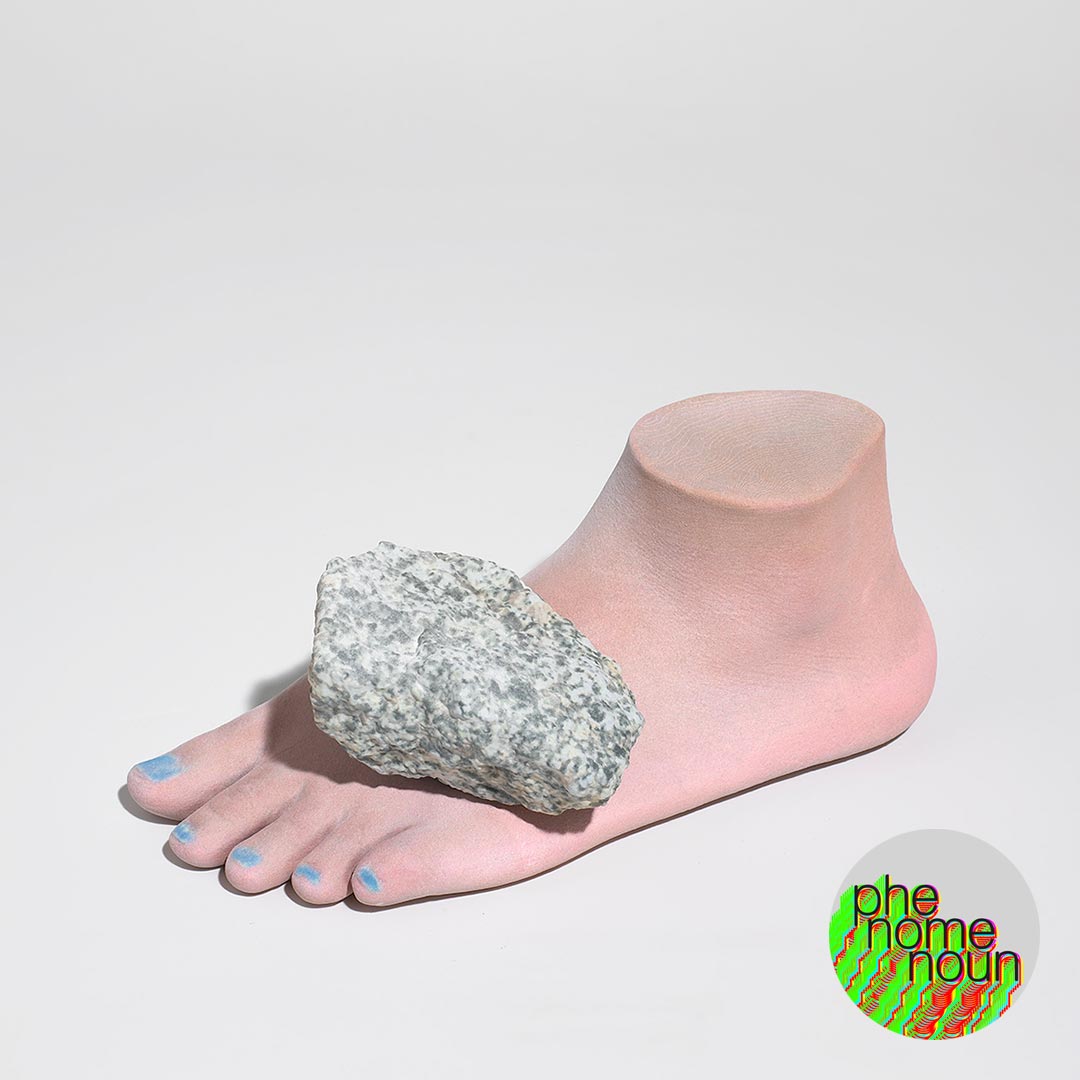
There, There
Seoul and D.C. artists reflect on what it means to be present in an era of absence.
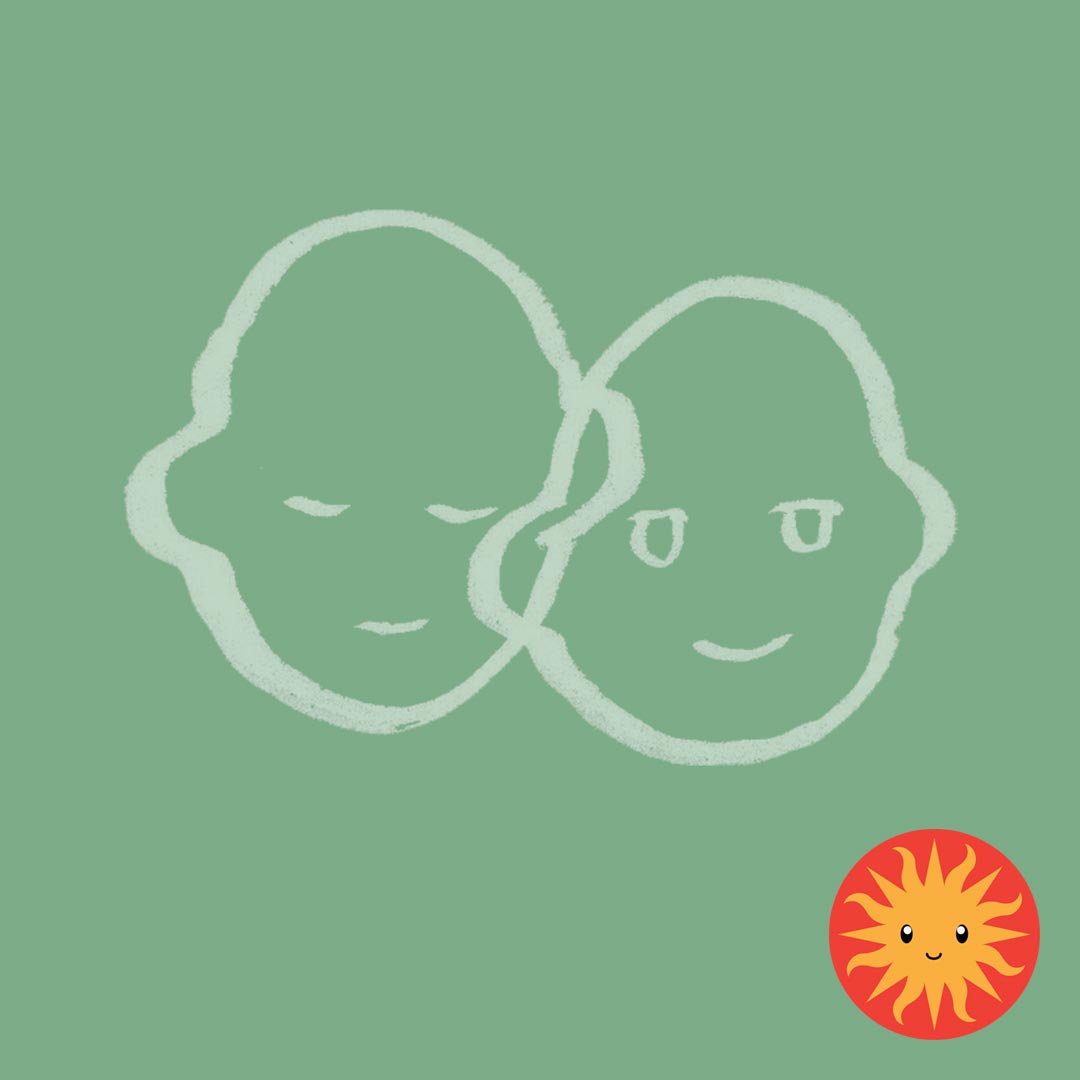
Care Package
Poems, meditations, films, and other cultural nutrients for times like this.
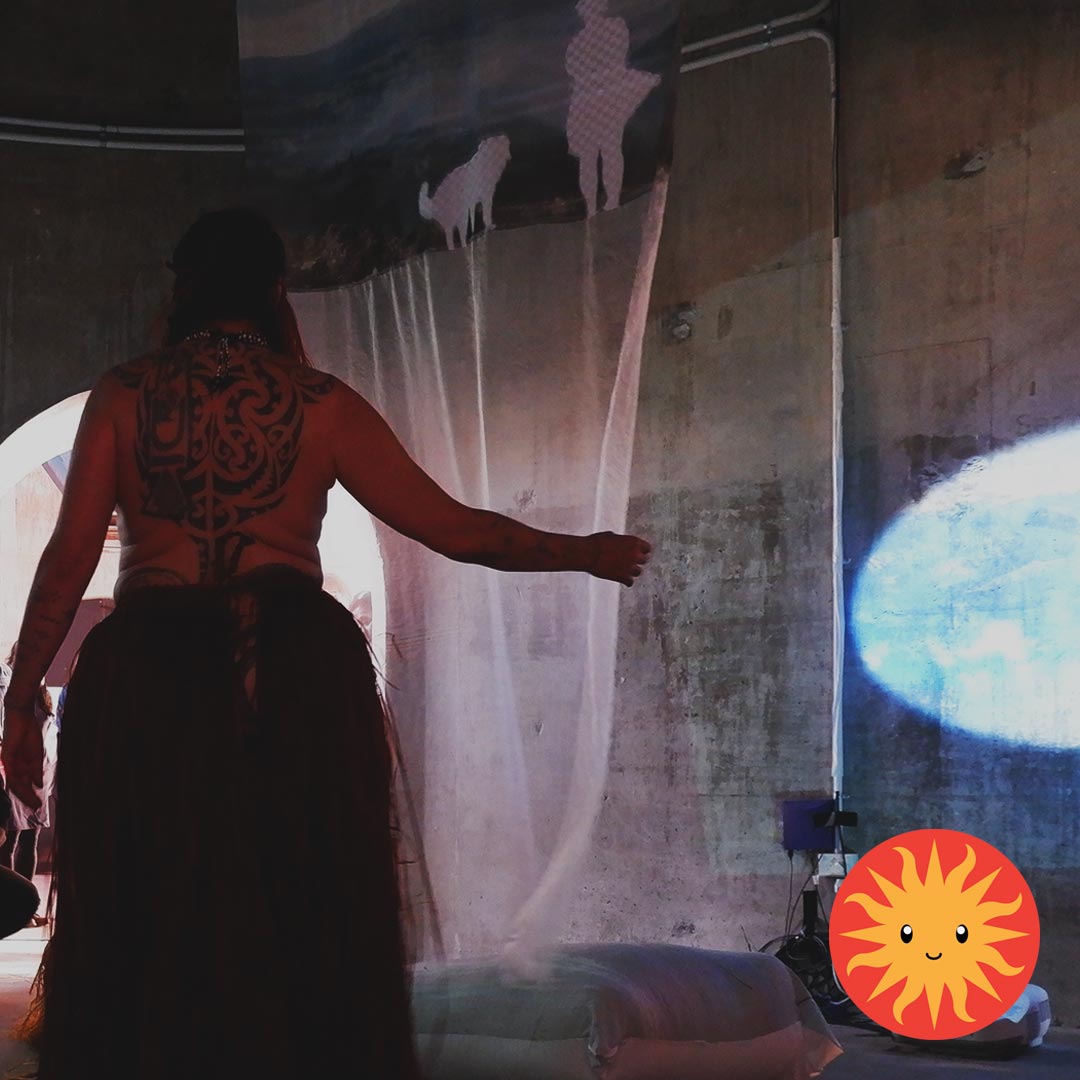
Te Whāinga
A Culture Lab on civility, and what it truly means to coexist as community, society, and humanity.
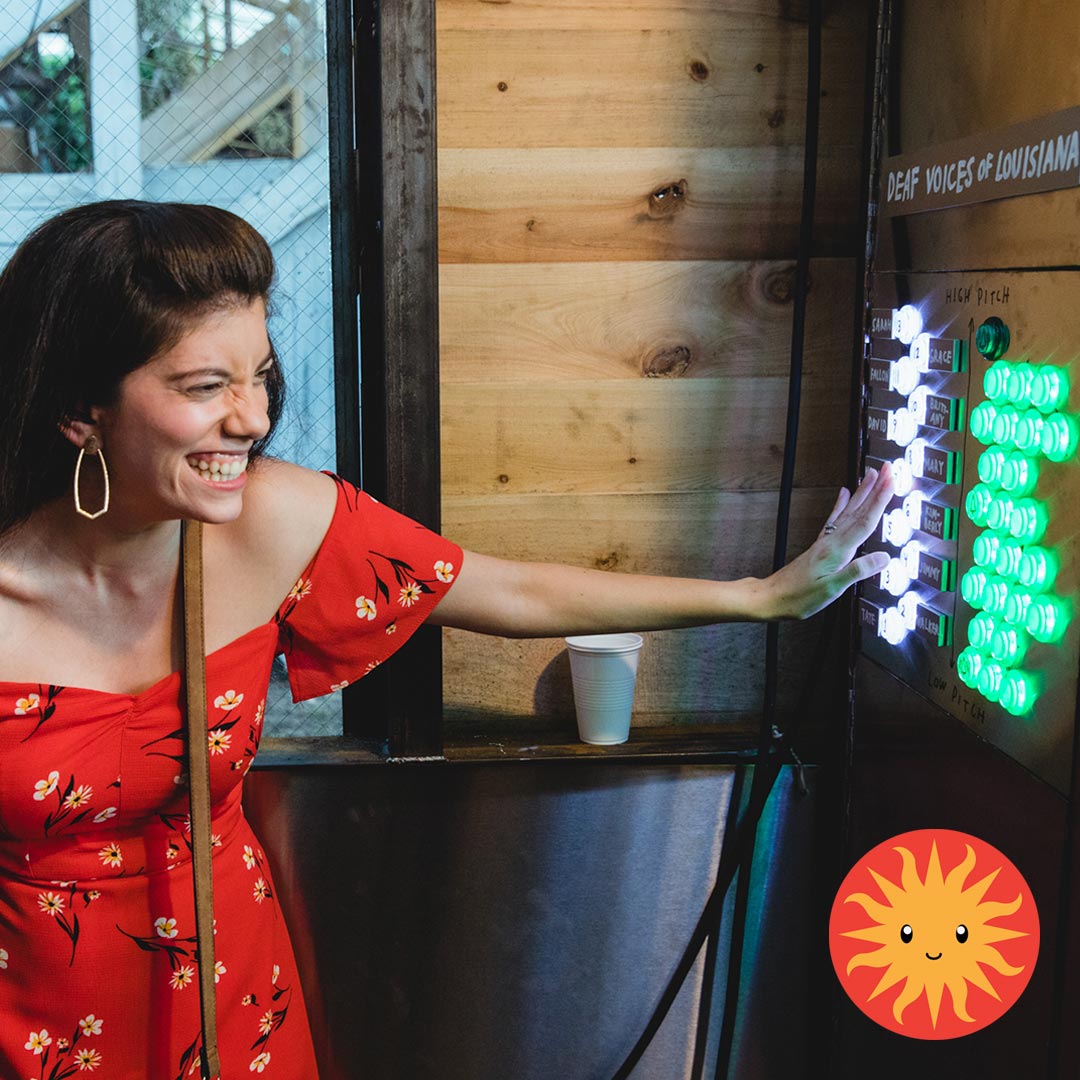
Elevator Pitch
A multi-sensory musical experience by Christine Sun Kim, New Orleans Airlift, Rick Snow, and Louisiana's Deaf community.
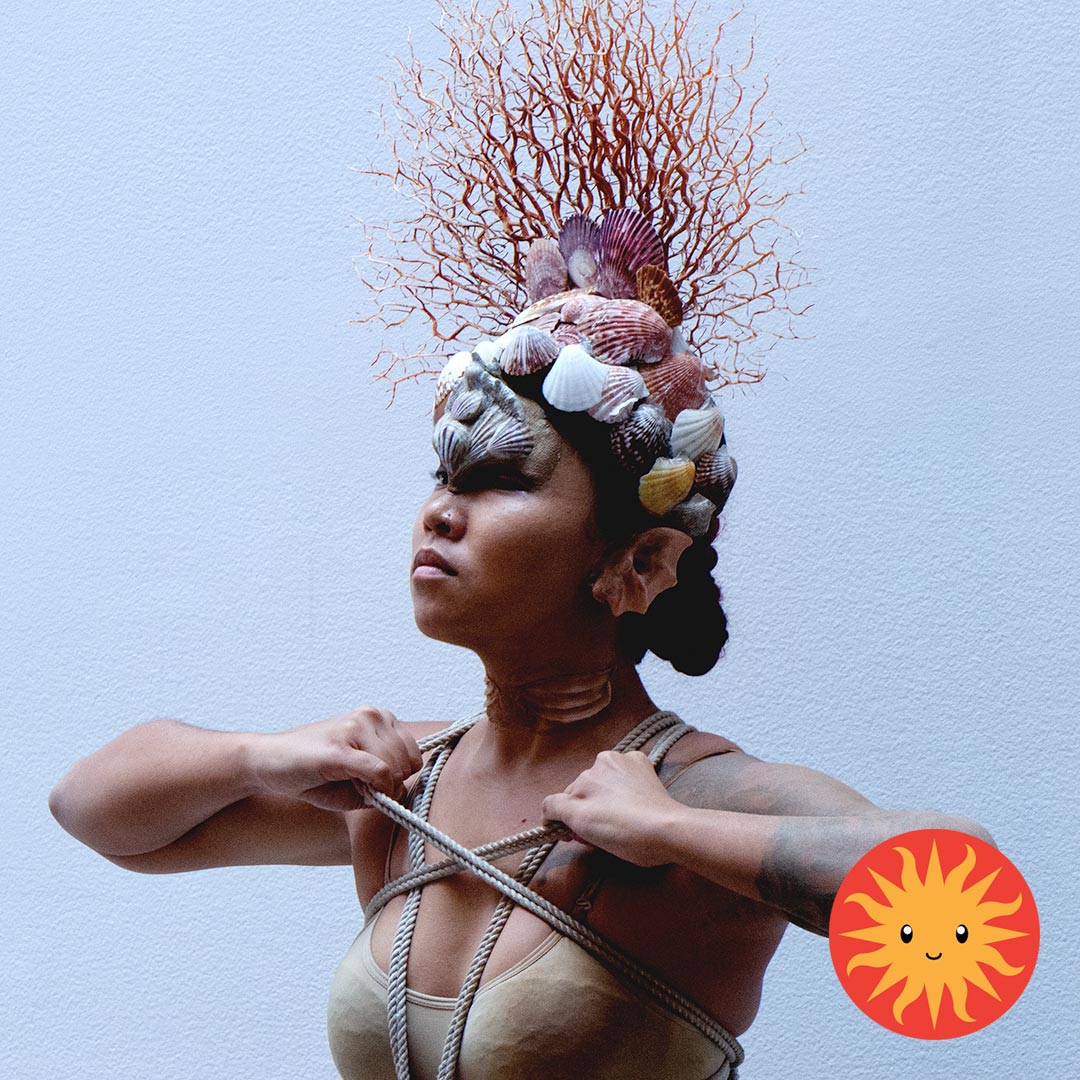
She Who Dies To Live
A multimedia spoken word experience that reimagines Death as a vital vein of Pasefika experience.
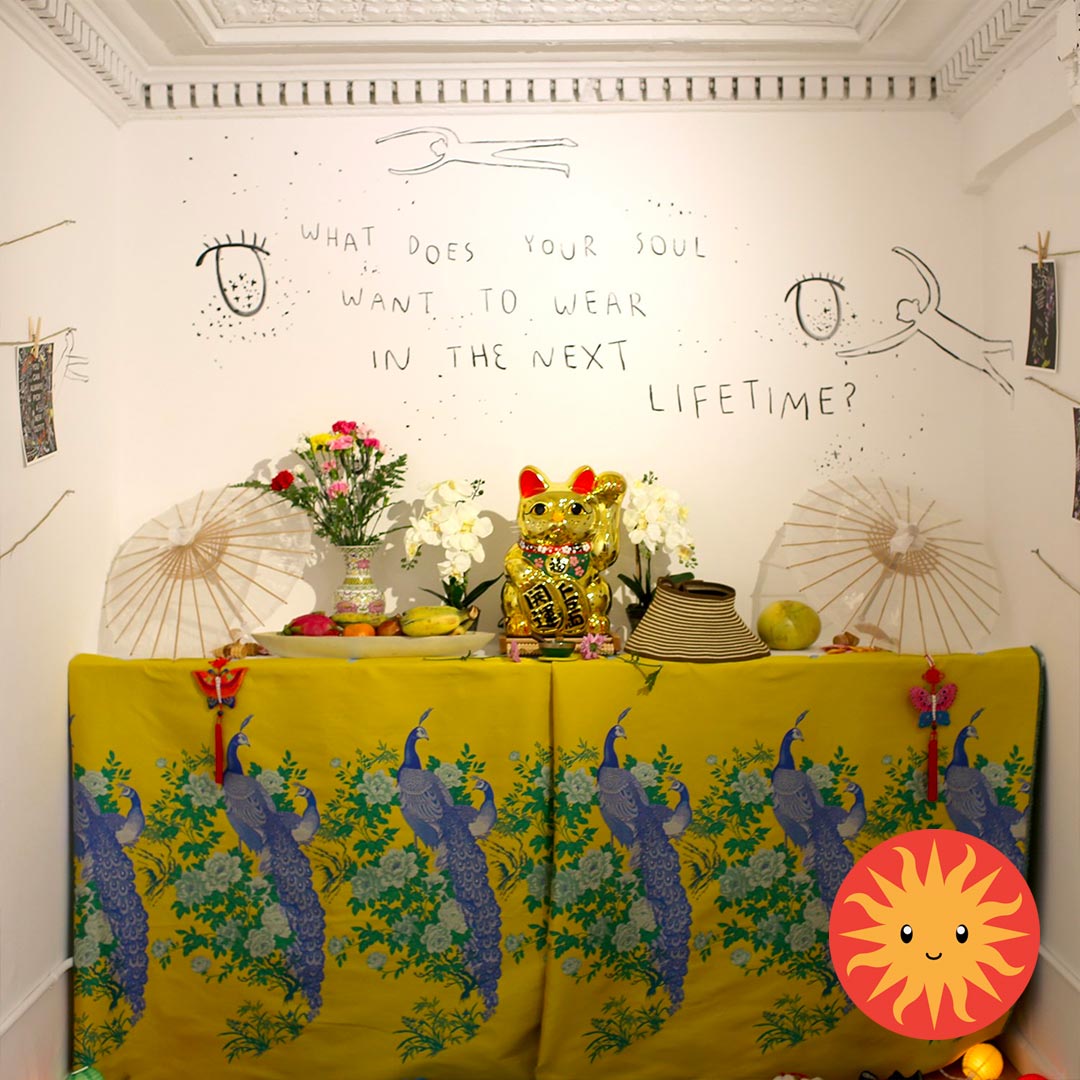
Fashion Forecasts
Illustrator Yumi Sakugawa’s concepts ask, “What does your soul want to wear in the afterlife?”
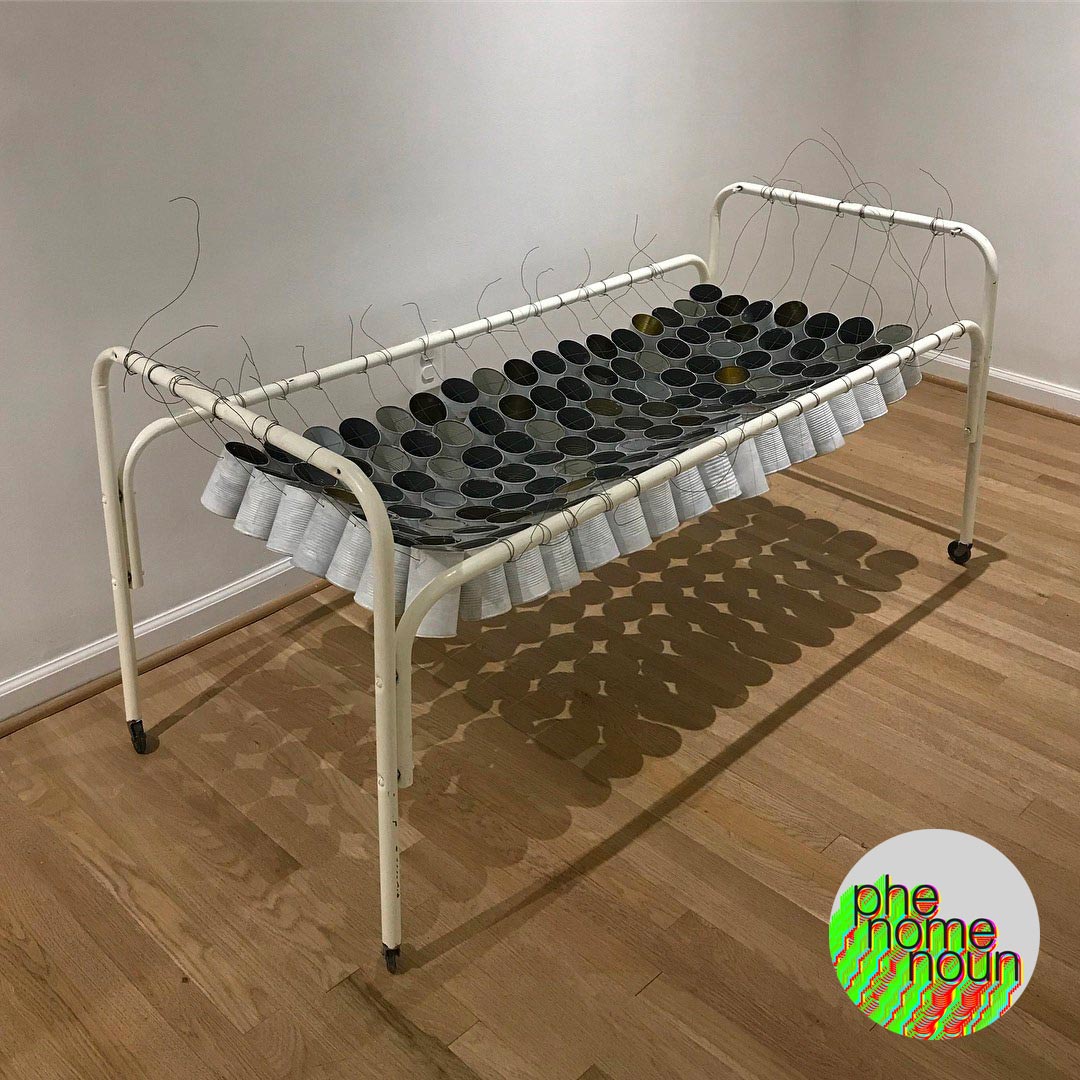
Uprooted
An art exhibition that examines active relationships with home.
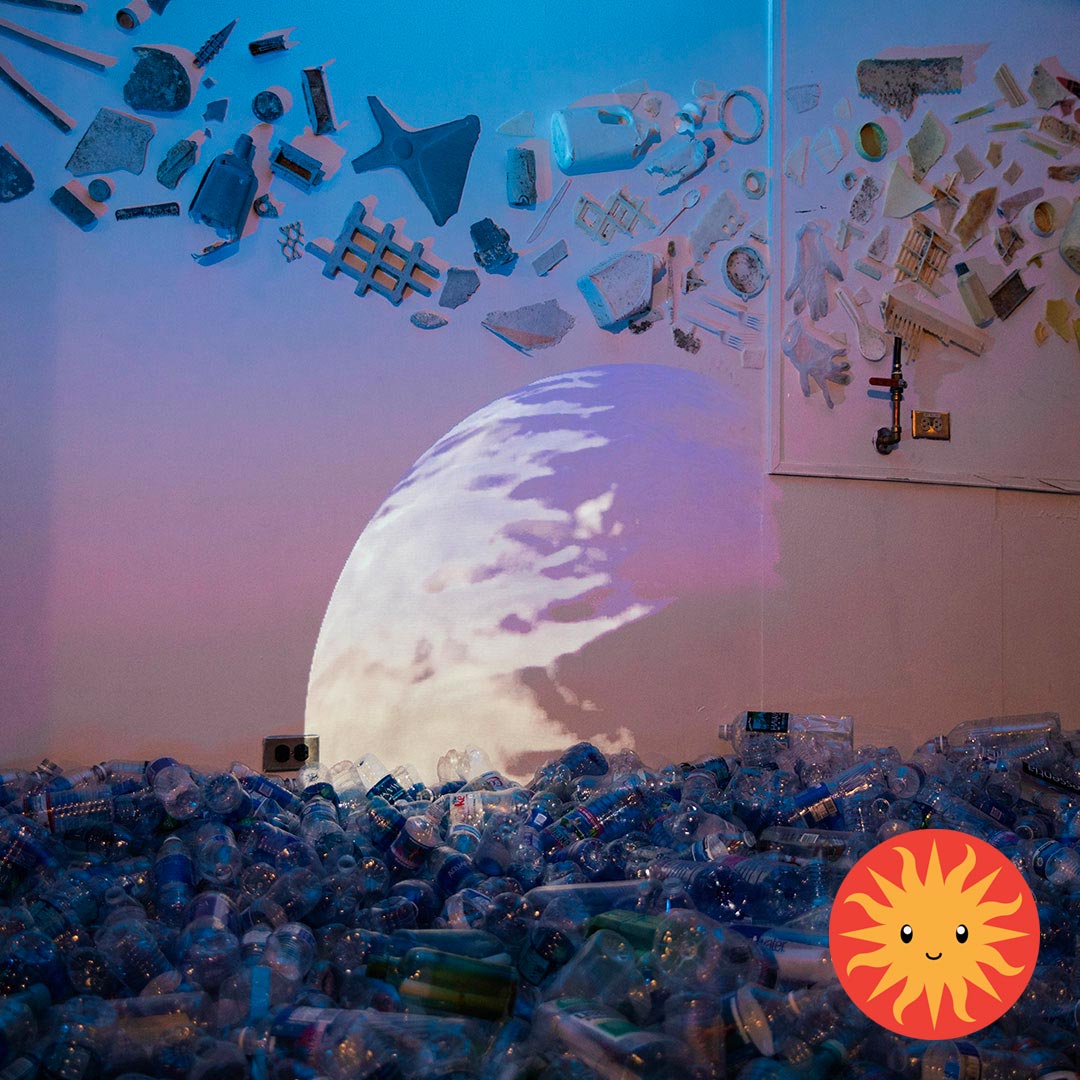
ʻAe Kai
A Culture Lab on Convergence, and how different ways of life inform our relationships with Earth.
Above image: Chad Shomura & Linh Huỳnh, Earthly Correspondences (2017)
Ae Kai, the shoreline, brings together elements stretching from mountain to ocean and serves as a gathering place for exchange and convergence. Traditionally in Hawai‘i, some of the most important conversations are held at ‘Ae Kai when the sun is up and the waves are out.
‘Ae Kai: A Culture Lab on Convergence took place in the former site of Foodland in Ala Moana Center, an 18,000 square foot supermarket situated in the neighborhood between Waikiki and Kaka‘ako, and explored the meeting points of humanity and nature in Hawai‘i, the Pacific Islands and beyond. Following 2016’s transformational Culture Labs–CrossLines in Washington, D.C. and CTRL+ALT in New York City–‘Ae Kai continued the Smithsonian Asian Pacific American Center’s practice of community building through curated artmaking. The biggest Culture Lab to date, ‘Ae Kai features participating artists, scholars and practitioners mostly based or rooted in Hawai‘i, with the majority identifying as Pacific Islanders.
Photos by Tara Rock.
Lehua Taitano & Lisa Jarrett, An Aberrational Poetics: Inside Me an Island Shaped Whole Charles Jean-Pierre & Keanu Sai, The Commissary / Ua Mau Ke Ea Ane Bakutis, Jamie Makasobe & Hina Kneubuhl, Hālanalana Adam Labuen, Low Leaf & Alex Abalos, Photosynth Maile Andrade, ‘Āina Mea‘ai (Food Land) Robin Lasser & Adrienne Pao, Dashboard Hula Girl Dress Tent: In Search of Aunty Keahi
‘Ae Kai was produced by the Smithsonian Asian Pacific American Center (curated by Kālewa Correa, Lawrence-Minh Bui Davis & Adriel Luis and took place at the former site of Foodland in Ala Moana, Honolulu, Hawaiʻi in July 2017.
Featuring
Maile Andrade
Rosanna Raymond
Léuli Māzyār Lunaʻi Eshraghi
Ricky Tagaban
Havana Libre
Craig Santos Perez + Brandy Nālani McDougal
Lehua Taitano + Lisa Jarrett
Kayla Briët
Abigail Kahilikia Romanchak + Charles Cohan
Sloane Leong
Monica Jahan Bose in collaboration with Hina Kneubuhl + Sloane Leong
Adam Labuen + Low Leaf in collaboration with Alex Abalos
Robin Lasser + Adrienne Pao
Ane Bakutis, Jamie Makasobe + Hina Kneubuhl
Nicole Moore
Chad Shomura + Linh Huỳnh
Kit Yan, Peter Pa + Jess X Snow
Angel Chang
Kayla Briët
Wooden Wave
Sid M. Dueñas
Keanu Sai
CHELOVE + MasPaz
Charles Jean-Pierre + Keanu Sai
Tom Pohaku Stone
Ian Masterson
Carl Pao
Aloha Got Soul
Wiena Lin
Shizu Saldamando
Naoko Wowsugi
Katelin Lili’inoe Rose Branco
Jahra ‘Rager’ Wasasala, Jocelyn Kapumealani Ng, Kathy Jetñil-Kijiner + Terisa Siagatonu
John “Prime” Hina
Solomon Enos
Aaron Kawai‘ae‘a
Calvin Hoe
Maikai‘i JK Tubbs
Words Beats & Life
VISIT SITE
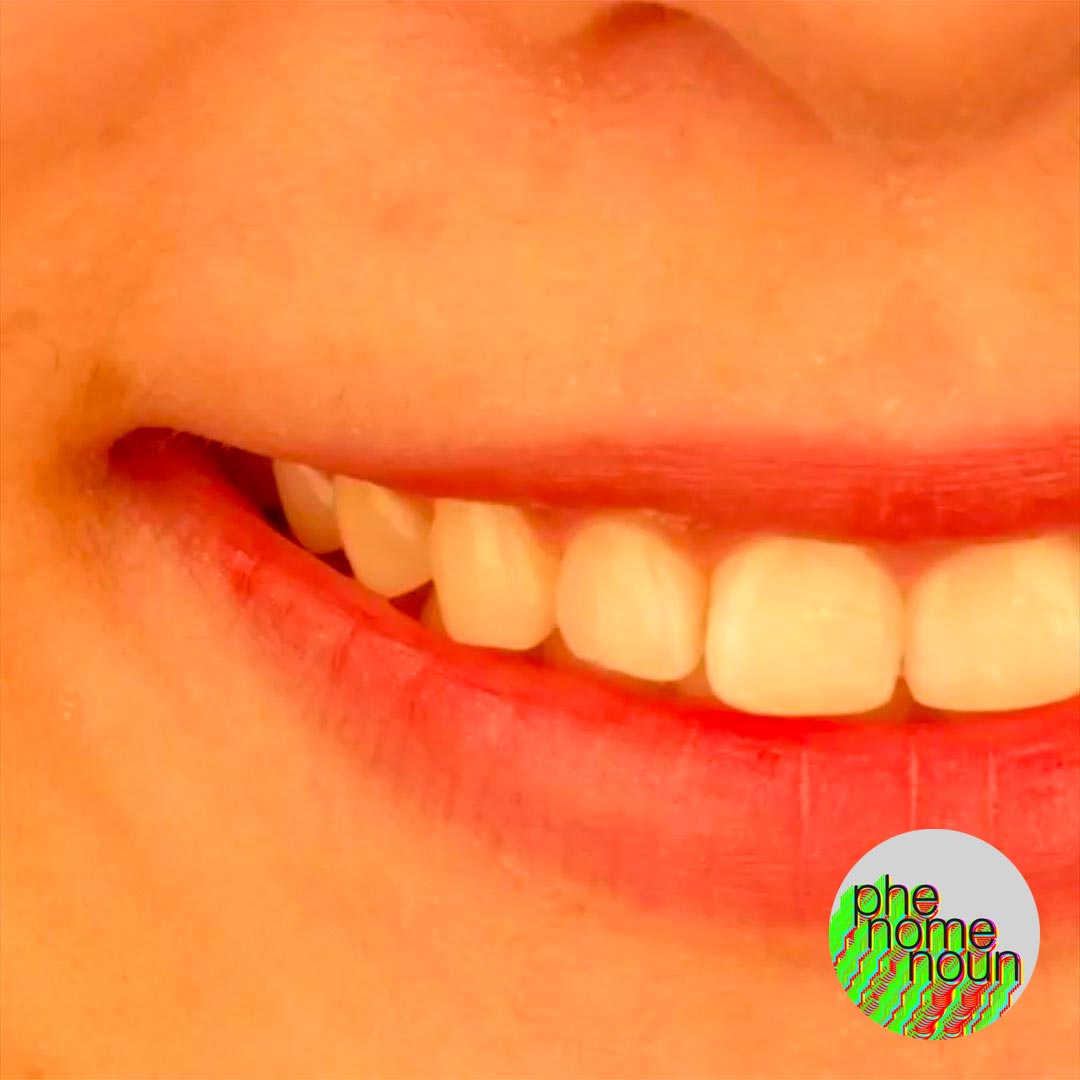
Hurry Up and Wait
Glimpses into some of the many complex steps between and beyond getting from Point A to B.
Glitch
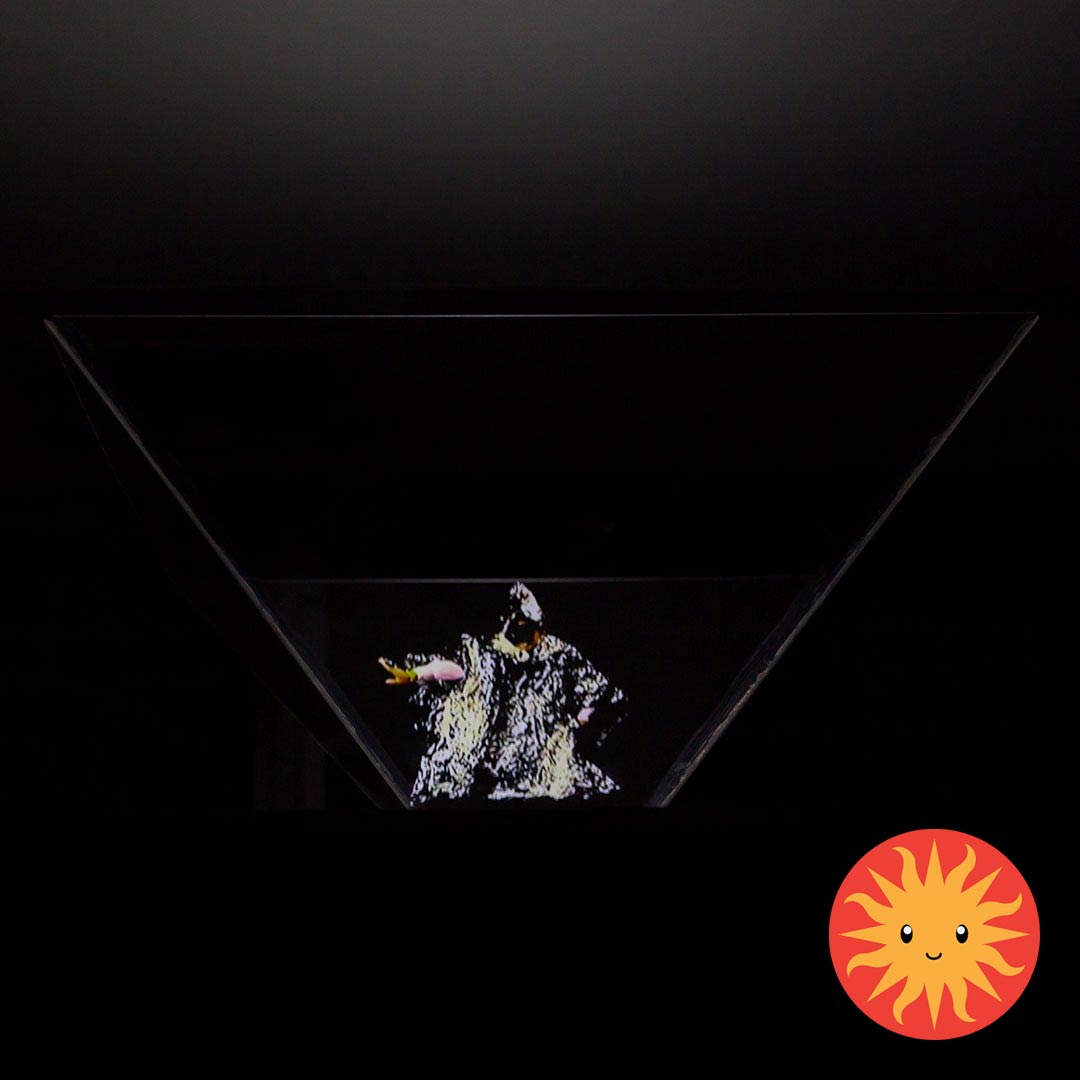
An art show for new ways of looking at media, new ways of looking at ourselves.
CTRL+ALT
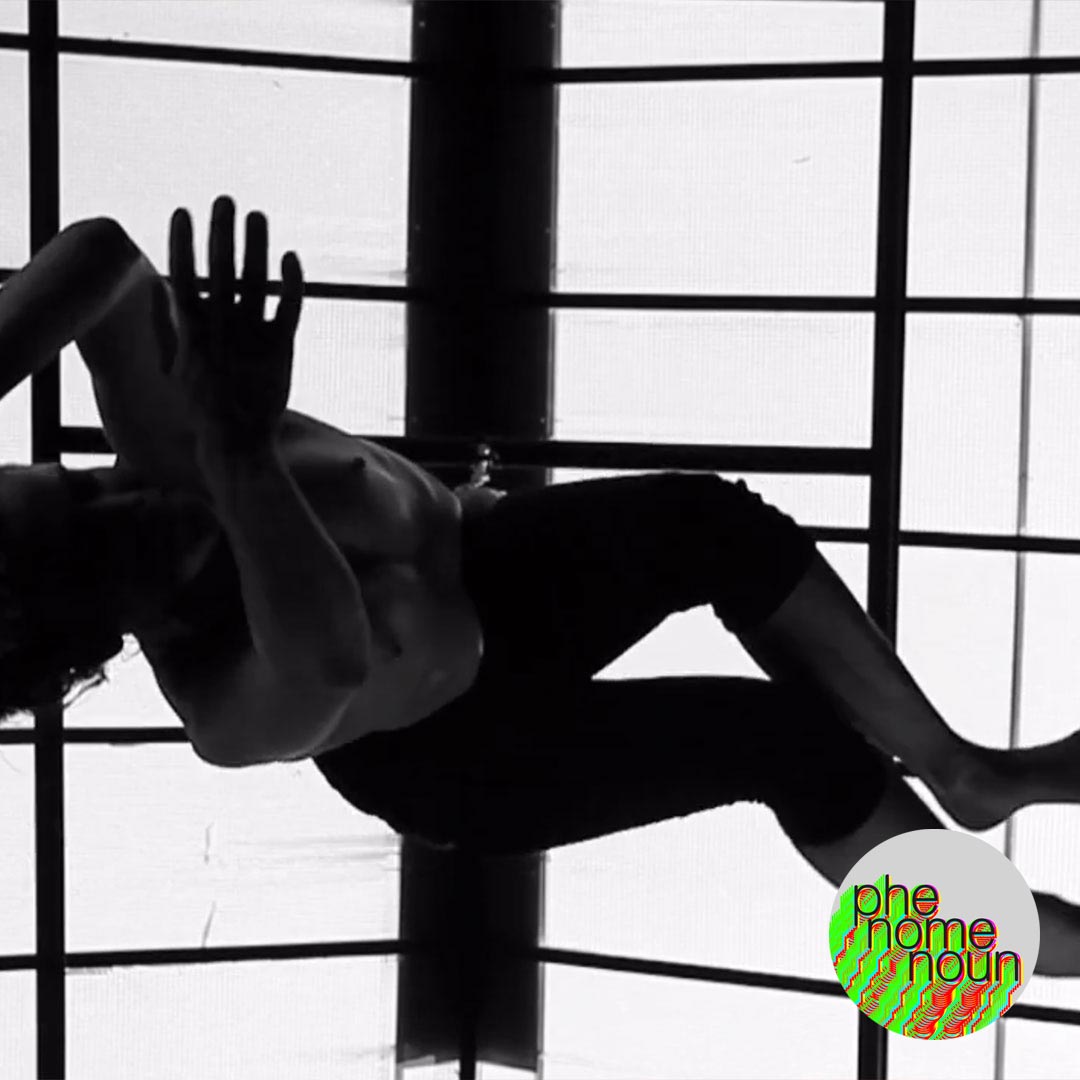
A Culture Lab on the Imagined Future – from inner-self to outer space.
Buenos Caos
A pop-up moving image exhibition featuring a global array of artists and curators.
CrossLines
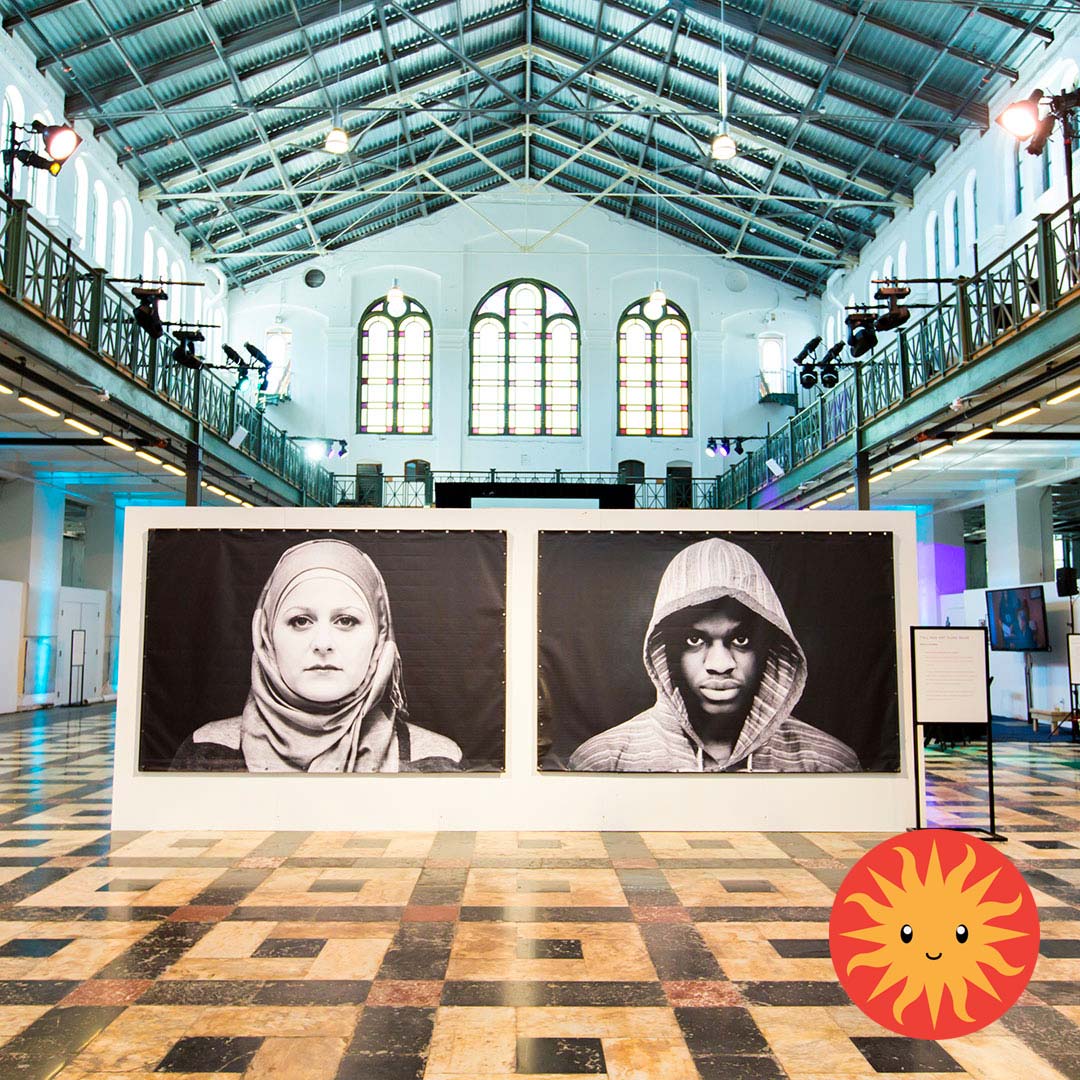
A Culture Lab on Intersectionality, and the evolving sense of self in America.
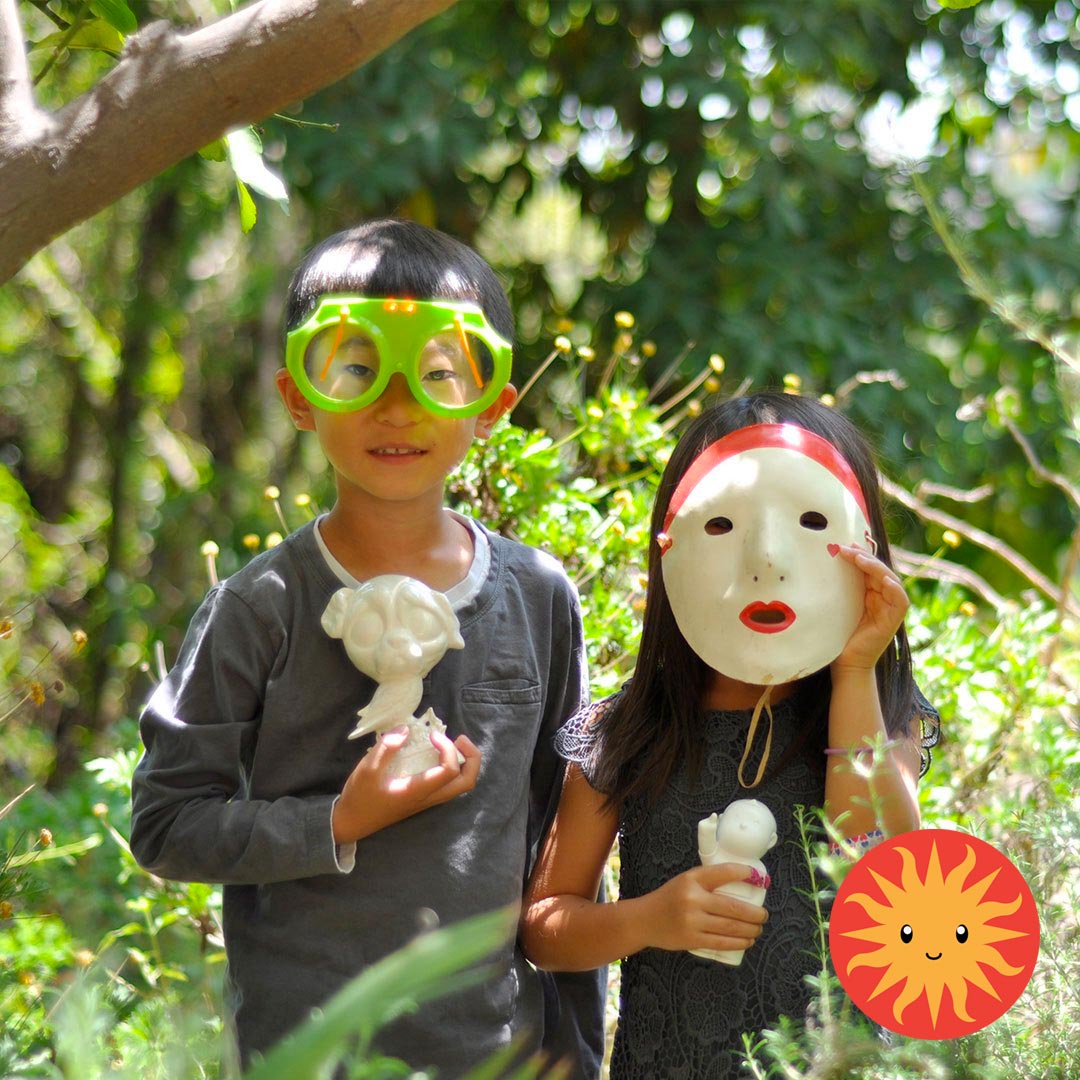
A Day in the Life
A photo exhibition based on an open call for snapshots of Asian Pacific America.
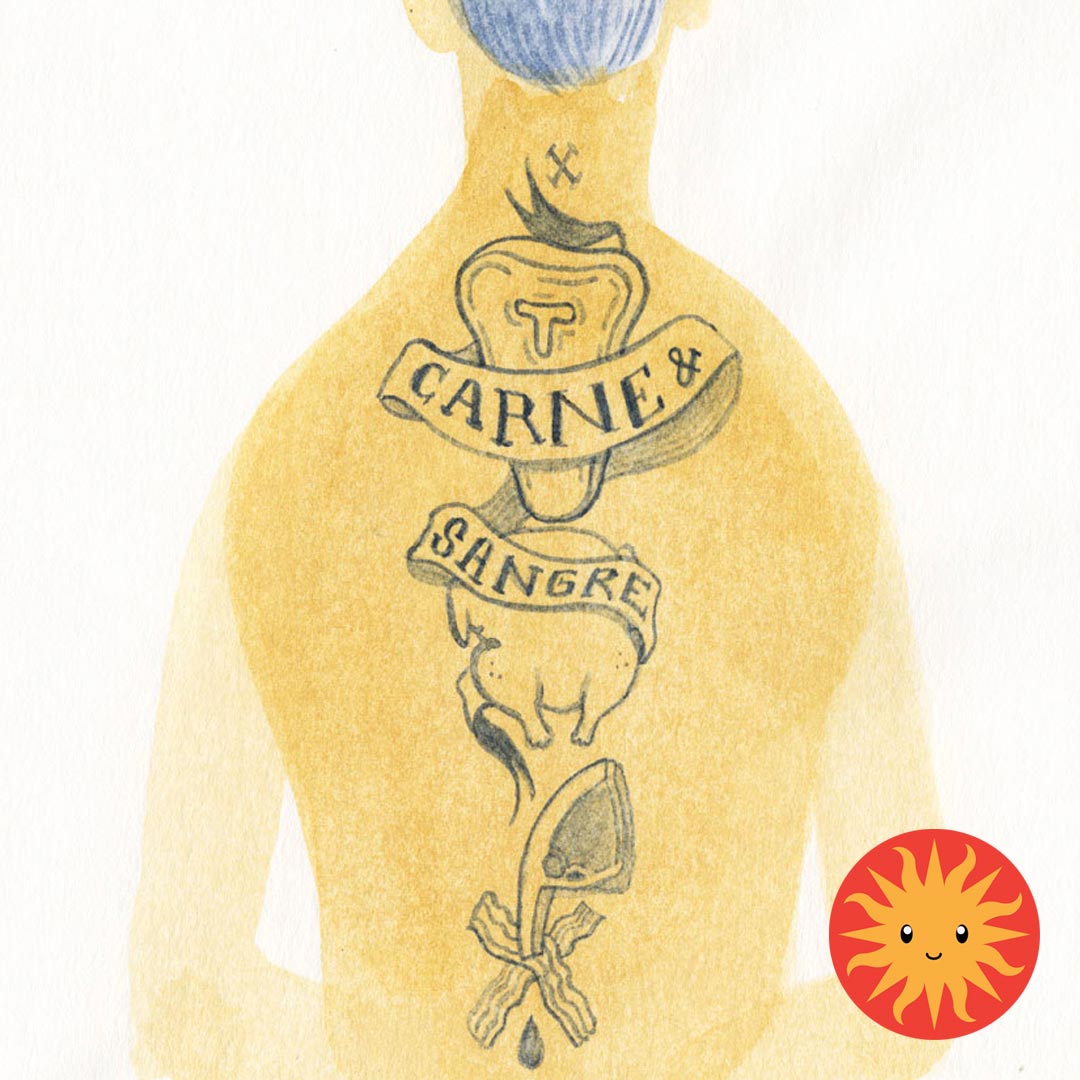
Art Intersections
Exhibiting themes that bridge the experiences of Asian and Latinx communities in the U.S.
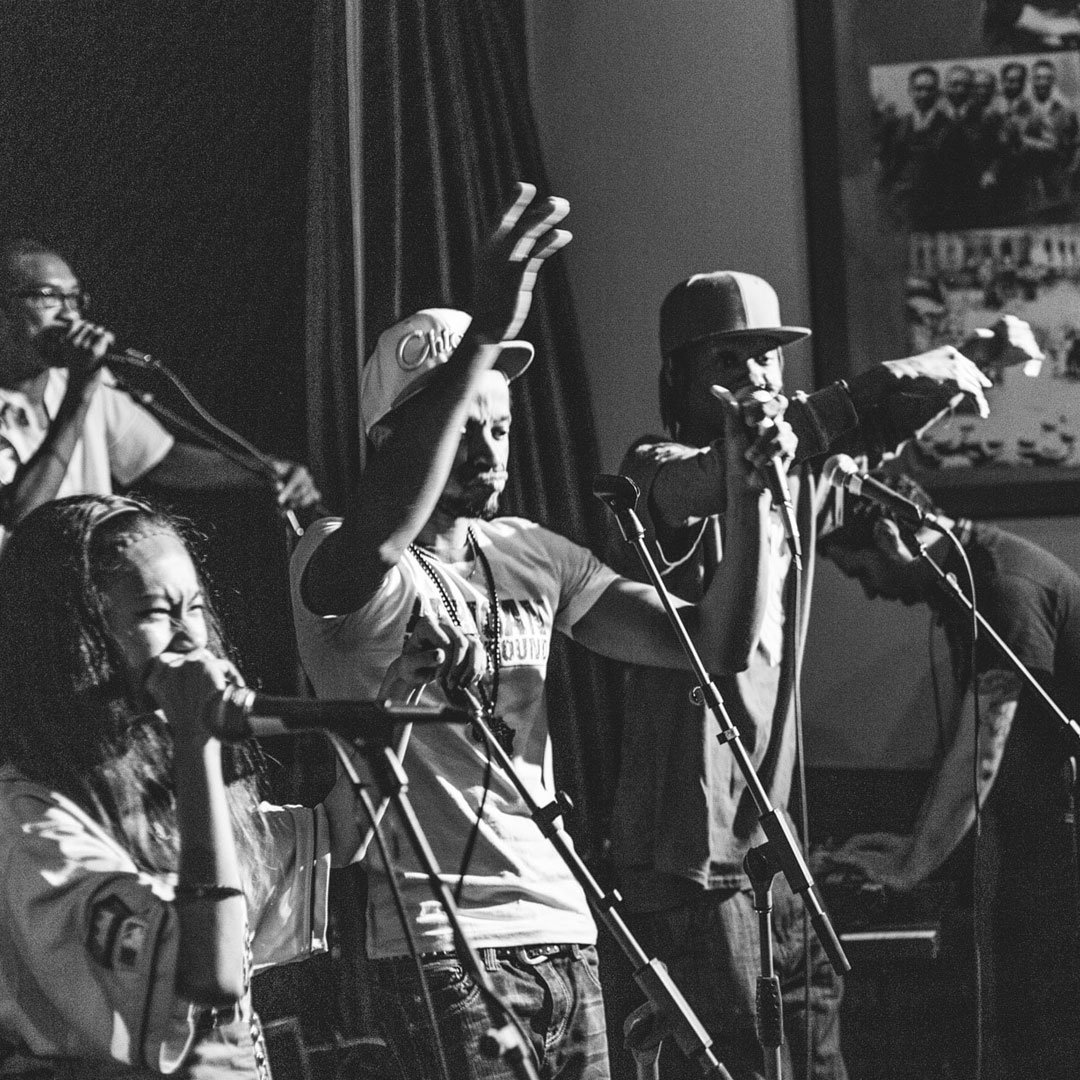
OneBeat
A residency and tour featuring master musicians from throughout the world.
Creation
My own artistic practice began with writing poetry, and being rooted in storytelling has taken me to a multitude of creative spaces. I tend to jump around to various mediums because my most rewarding experiences involve learning new things, collaborating with a variety of people, and stretching my imagination.
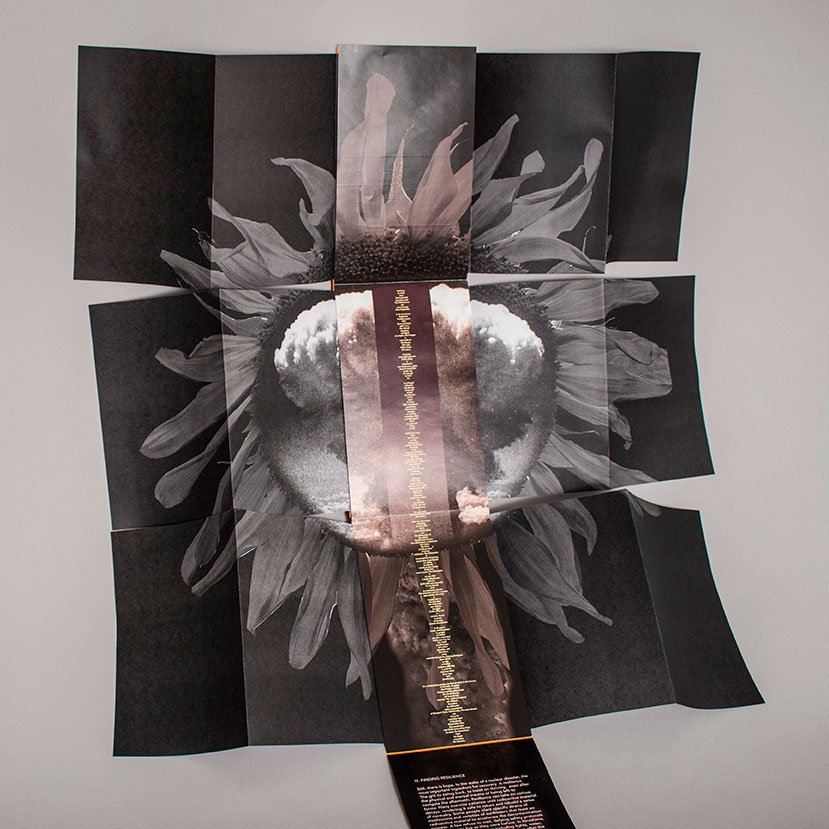
Fields of Fungus and Sunflowers
An art book that asks, “How does something begin to grow after nuclear war?”
Customs Declarations
A suite of remixed found sounds and images collected throughout Asia.
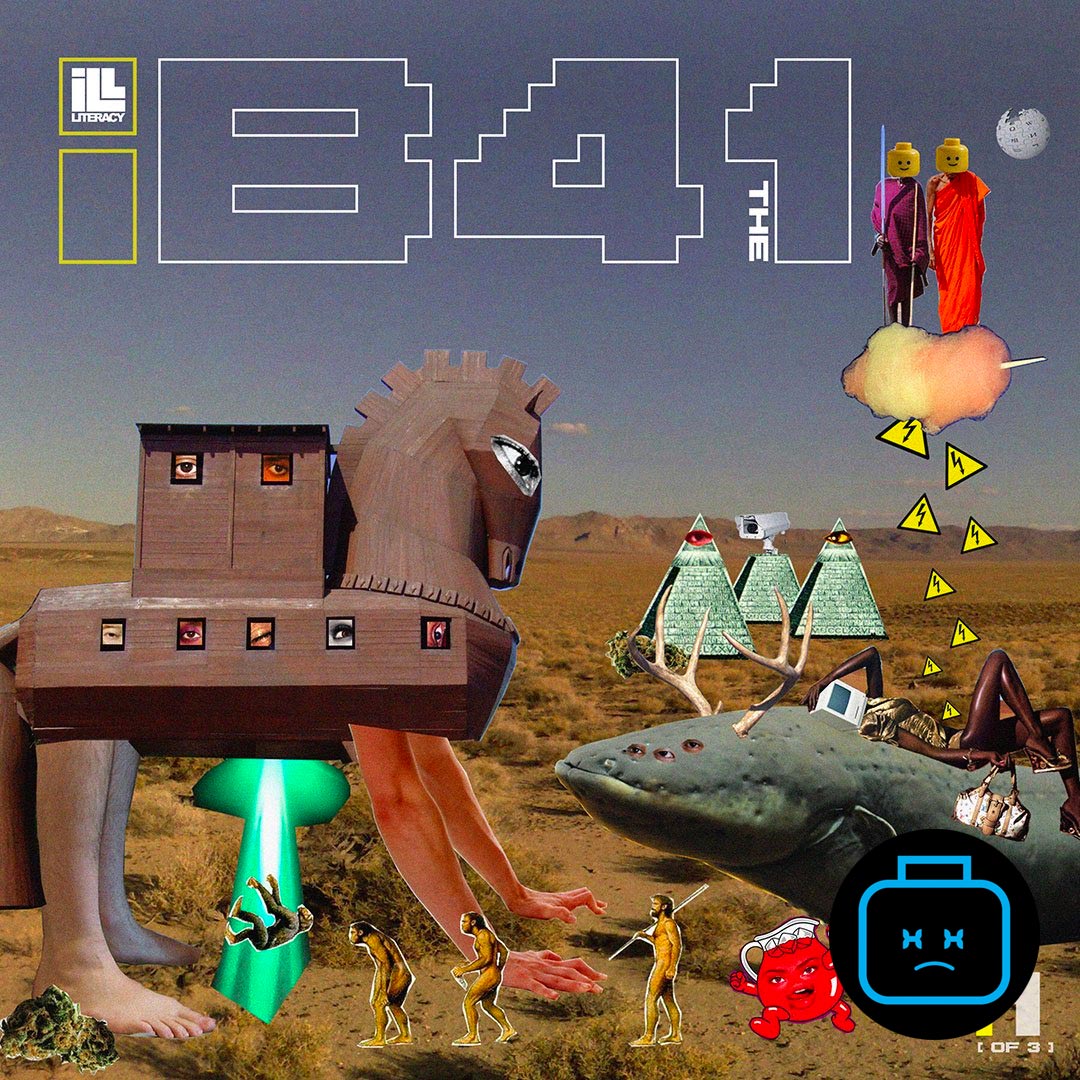
iB4the1
A neverending musical story about an epic quest for the present moment.
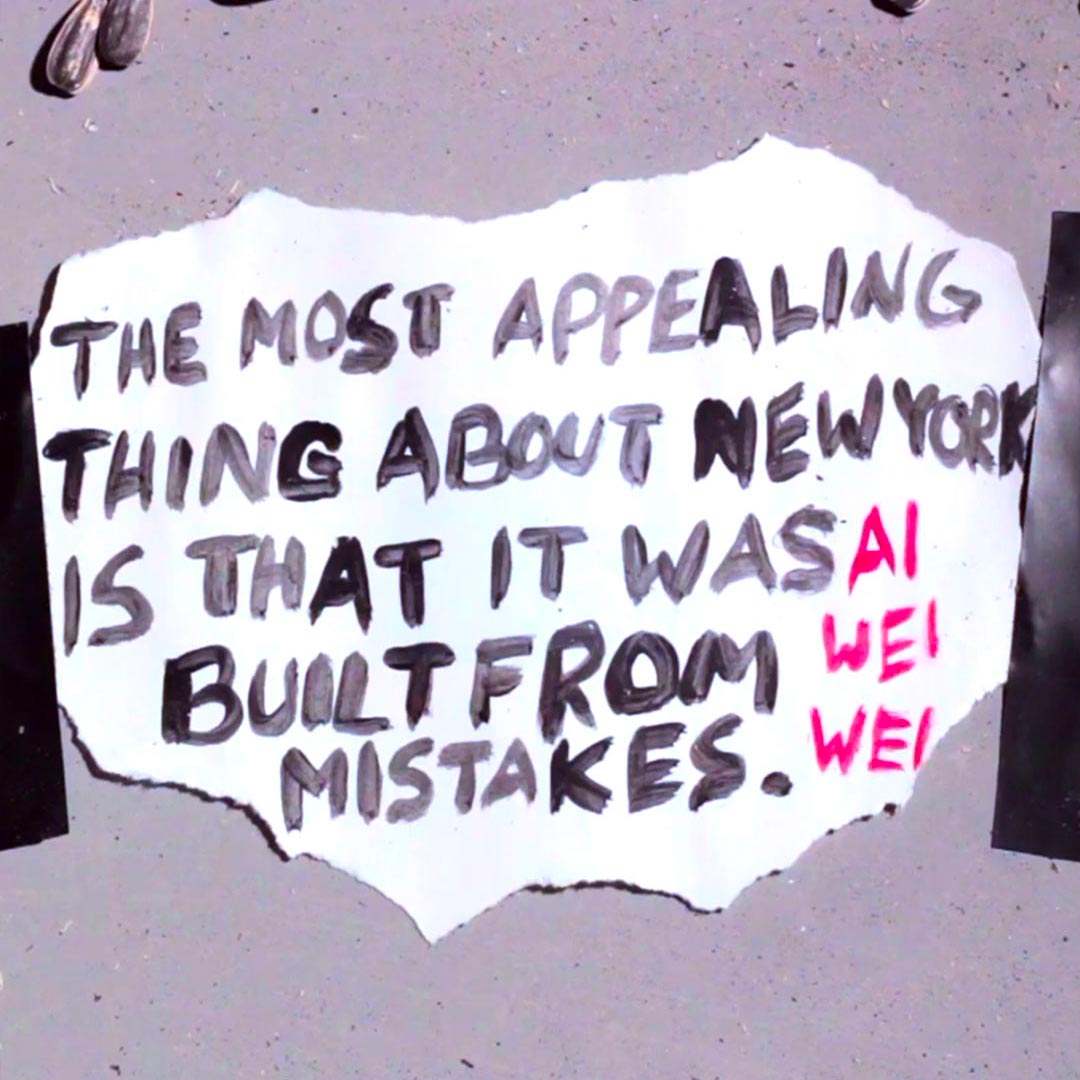
Ai Weiwei: The Seed
A media and performance piece that traces the New York upbringing of an influential artist.
USBUiLLD
A psychedelic spoken word performance.
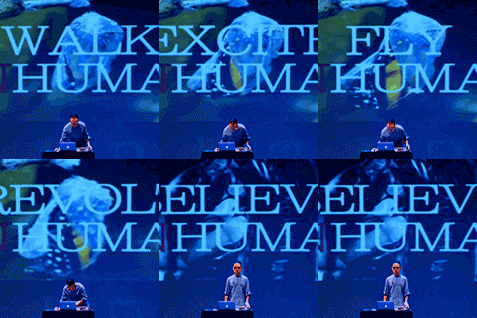
Beastreality
Love is inhuman.
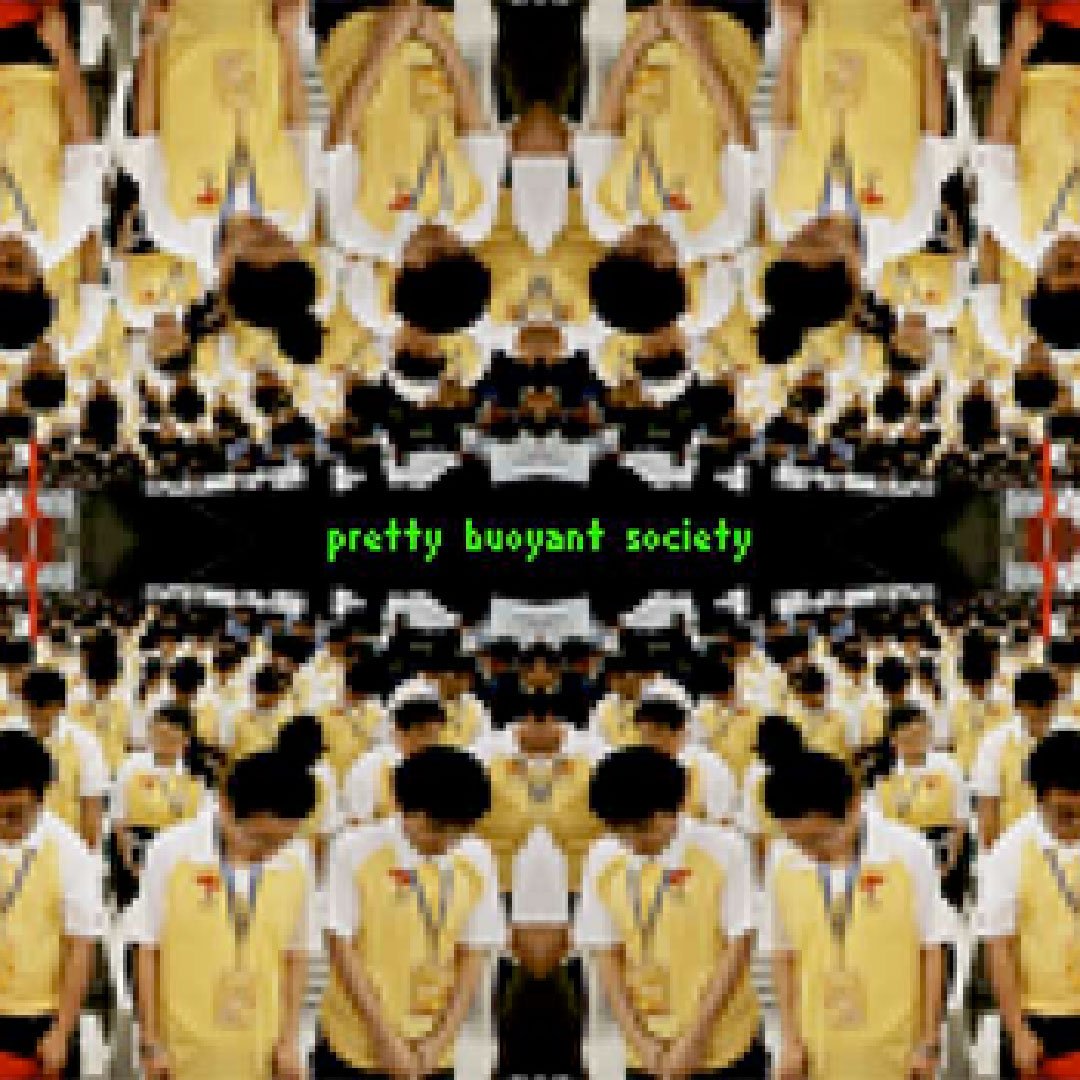
Pretty Buoyant Society
A soundtrack for your internet wormhole.
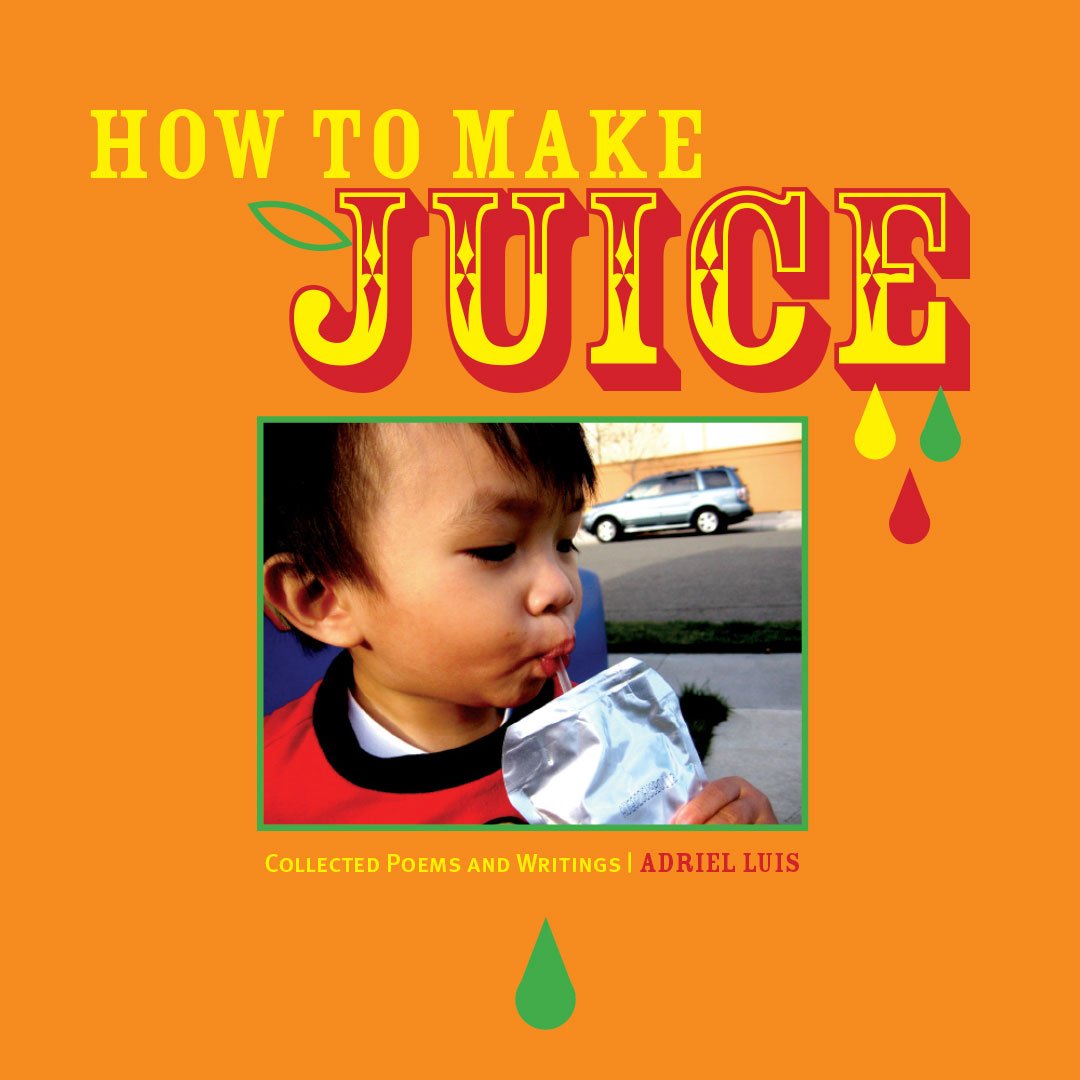
How To Make Juice
My first published collection of poems. This is where it all started.
Slip of the Tongue
A poetic short film about a young man’s run-in with his own misogyny.
Interview: Adriel's Winding Path
I've had the joy of knowing Russ Finkelstein for over a decade. As a thoughtful social entrepreneur, he has a talent for leading discussions that constantly inspire me to reflect on and reimagine how my work impacts those around me. For his column on The Washington Post, Russ asked me to share how the various creative endeavors I've followed are interconnected.
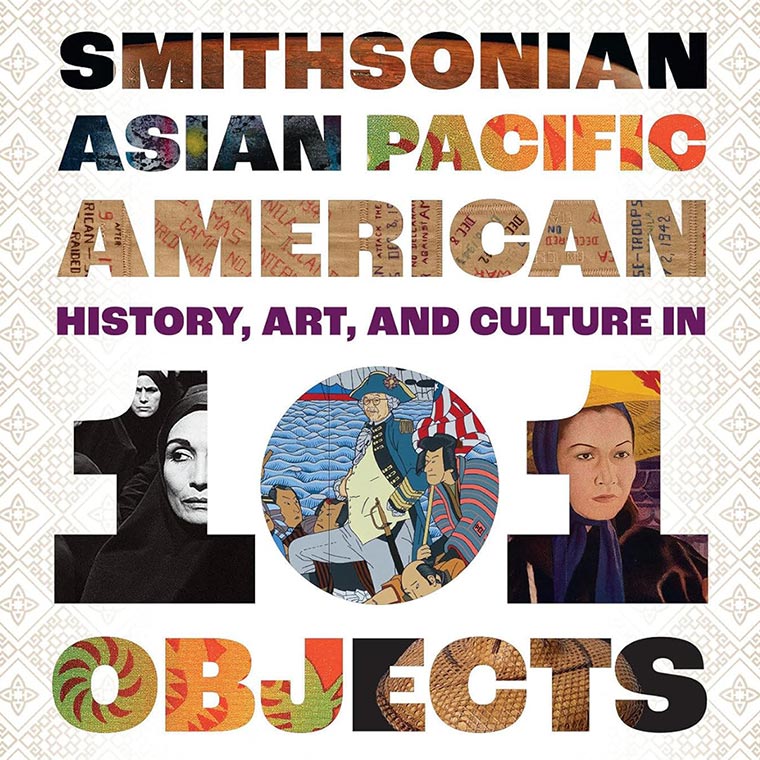
Smithsonian Asian Pacific American History, Art, and Culture in 101 Objects
I was pleased to contribute to this book, which invites readers to experience both well-known and untold stories through influential, controversial, and meaningful objects in the Smithsonian's collections that relate to Asian Americans and Pacific Islanders.
Interview: The Truth in this Art
Hosted by Rob Lee, "The Truth In This Art" is a captivating podcast that delves deep into the vibrant intersections of arts, culture, and community, both in Baltimore and beyond. In this episode, Rob interviews me about how growing up as a poet led me to become a curator.
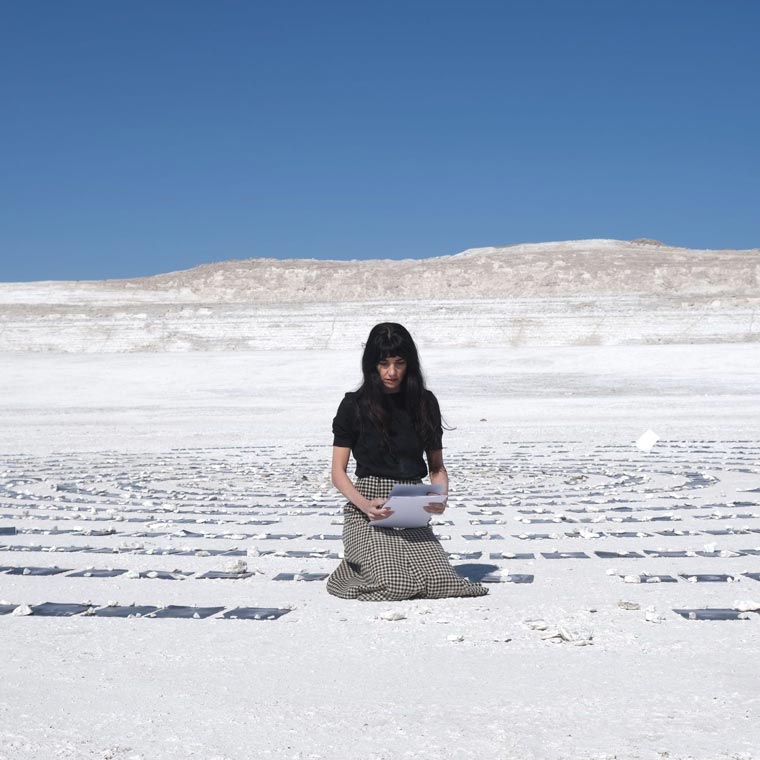
Conversation with Shirin Neshat & Saisha Grayson
During the 2022 Virtual Women's Filmmakers Festival hosted by the Smithsonian American Art Museum, I had the pleasure of joining curator Saisha Grayson in a conversation with artist Shirin Neshat to discuss her film Land of Dreams.
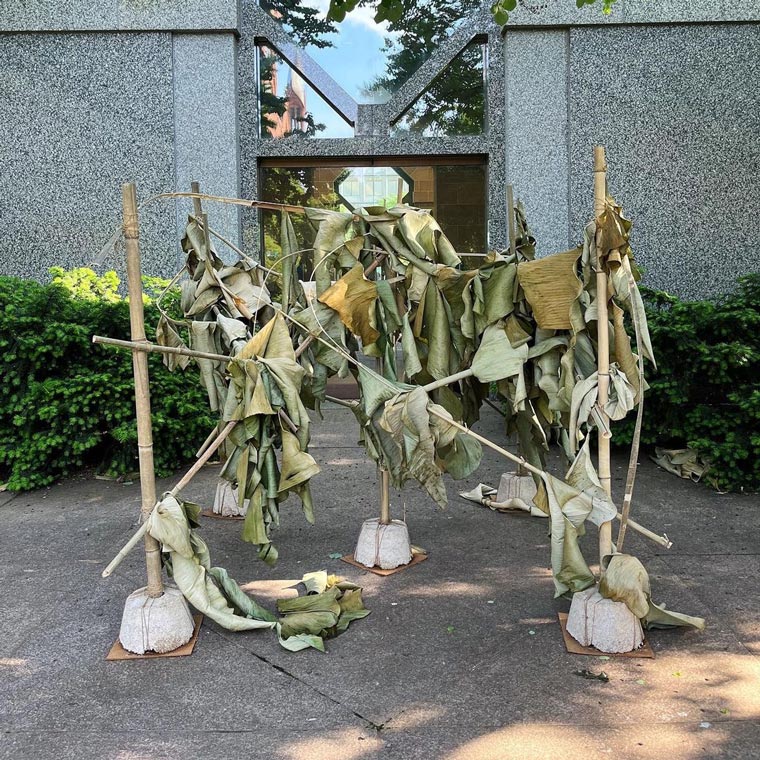
Artists Reflect: Conversation with sāgar kāmath
sāgar kāmath is an artist whose work addresses the roles that coexistence and multiplicity play in shaping identity. During his 2023 residency for the Smithsonian's National Museum of Asian Art's 100th anniversary, I had the joy of being in conversation with him to discuss his installation, Lifecycle of Myth.
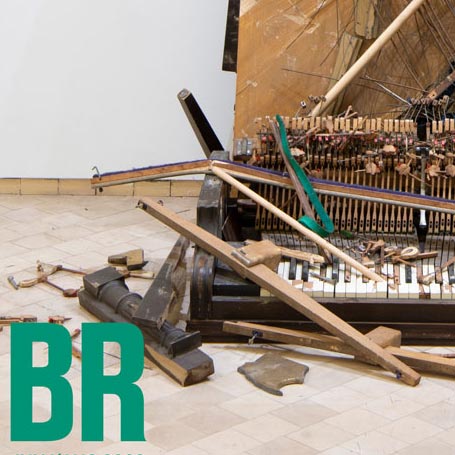
On Being Honest [w/ Beau Sia]
The poet Beau Sia is a poet who inspired me to become an artist in the first place, and I feel so fortunate to have shared friendship and creative exchange with him for many years. In 2022 Beau invited me to join him in writing poems based on random prompts each day throughout the month of May. One of our poems, "On Being Honest," was published in an issue of The Brooklyn Rail later that year.
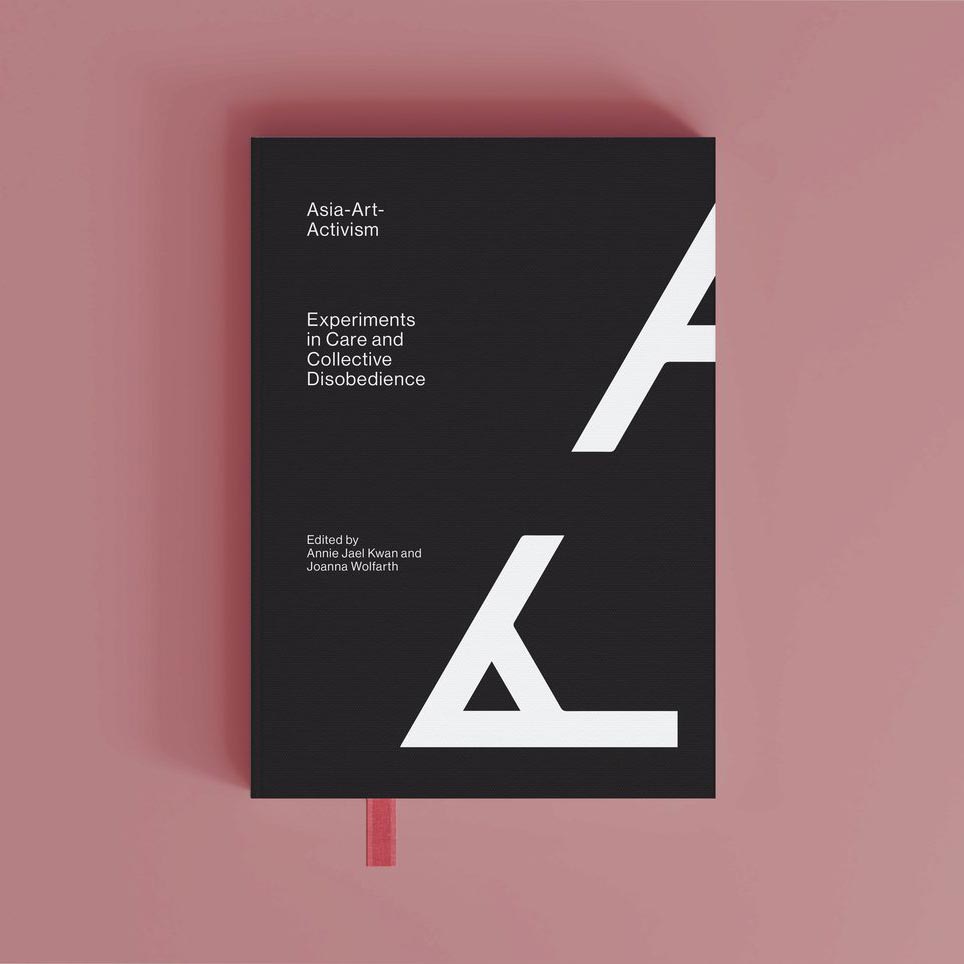
By Nature of Our Togetherness [w/ Kimberly Drew]
In the midst of the pandemic lockdown and rise in violence against Black and Asian people worldwide, UK collective Asia-Art-Activism invited me to contribute to their special publication, Experiments in Care and Collective Disobedience. I invited writer and curator Kimberly Drew to reflect with me on our friendship, our influences, and what it means to care with integrity.
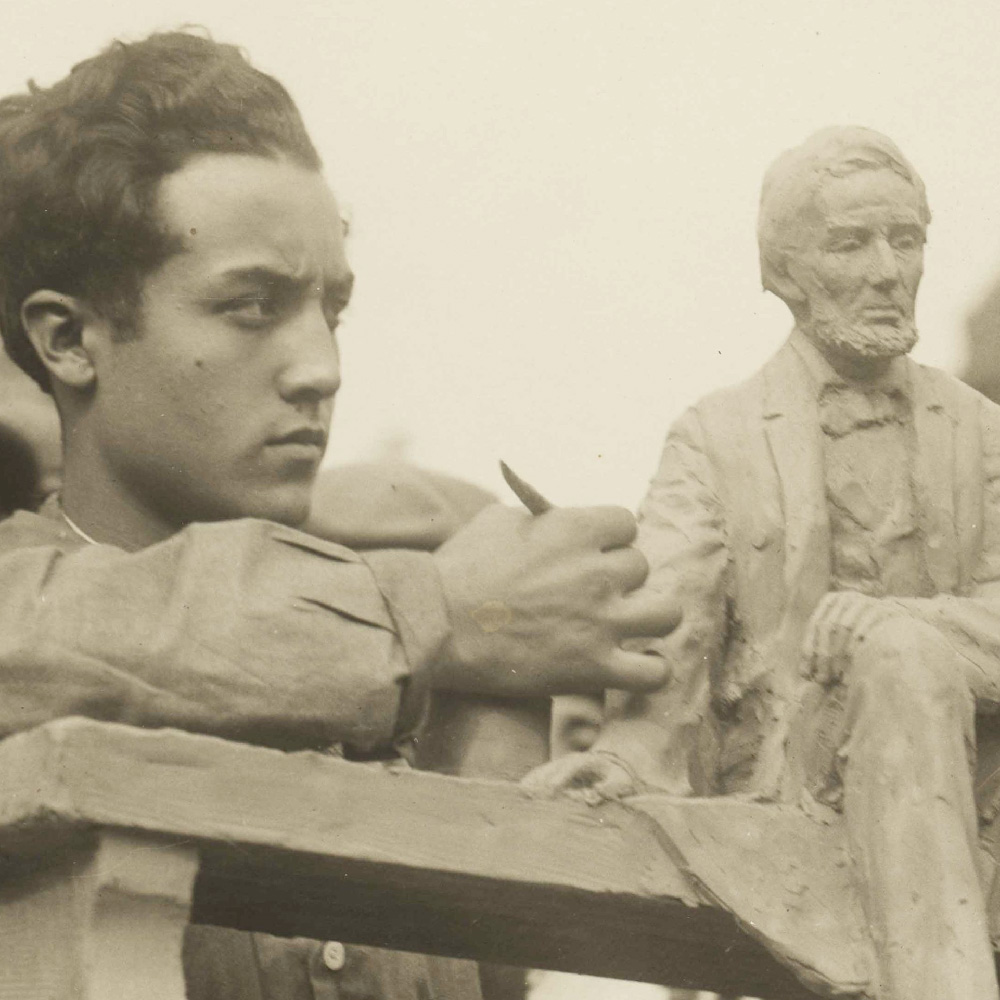
Noguchi: Resonances
I enjoyed this writing project with my friends and fellow curators Annie Jael Kwan and Alexandra Chang. In it, we reflect on how life has shifted amidst the pandemic, while meditating on our shared love for the sculptor Isamu Noguchi. Annie's digital residency at the Barbican, Noguchi: Resonances is an ongoing collaborative exploration in response to the exhibition, Noguchi.
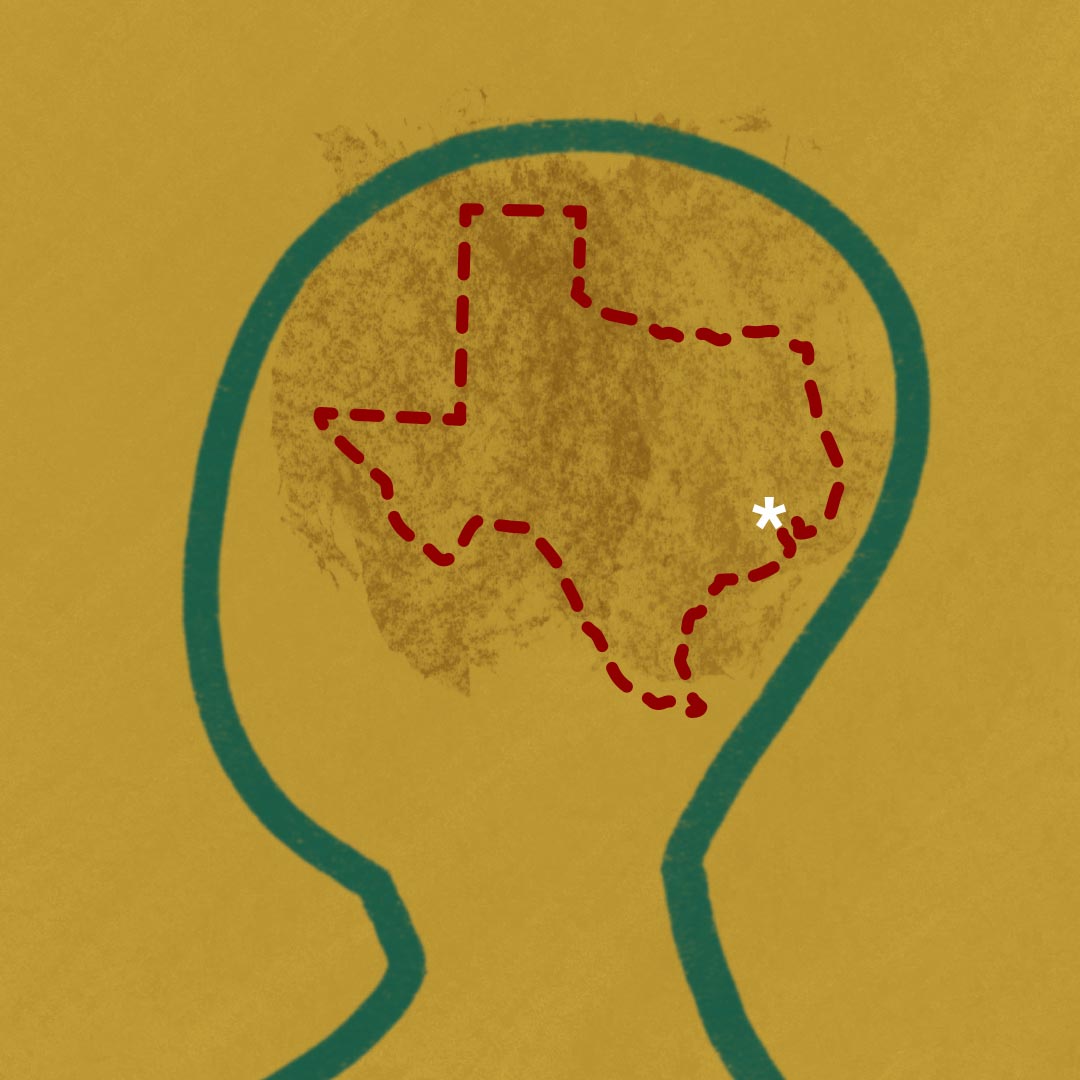
Memory Transplant
In Memory Transplant, I was invited by DiverseWorks and Asia Society Texas to form a virtual relationship with Houston amidst the pandemic, through a series of virtual studio visits with artists, video chats with community, and research online. Through this process, he reflects on the obstacles and opportunities of building community in an age of social distance.
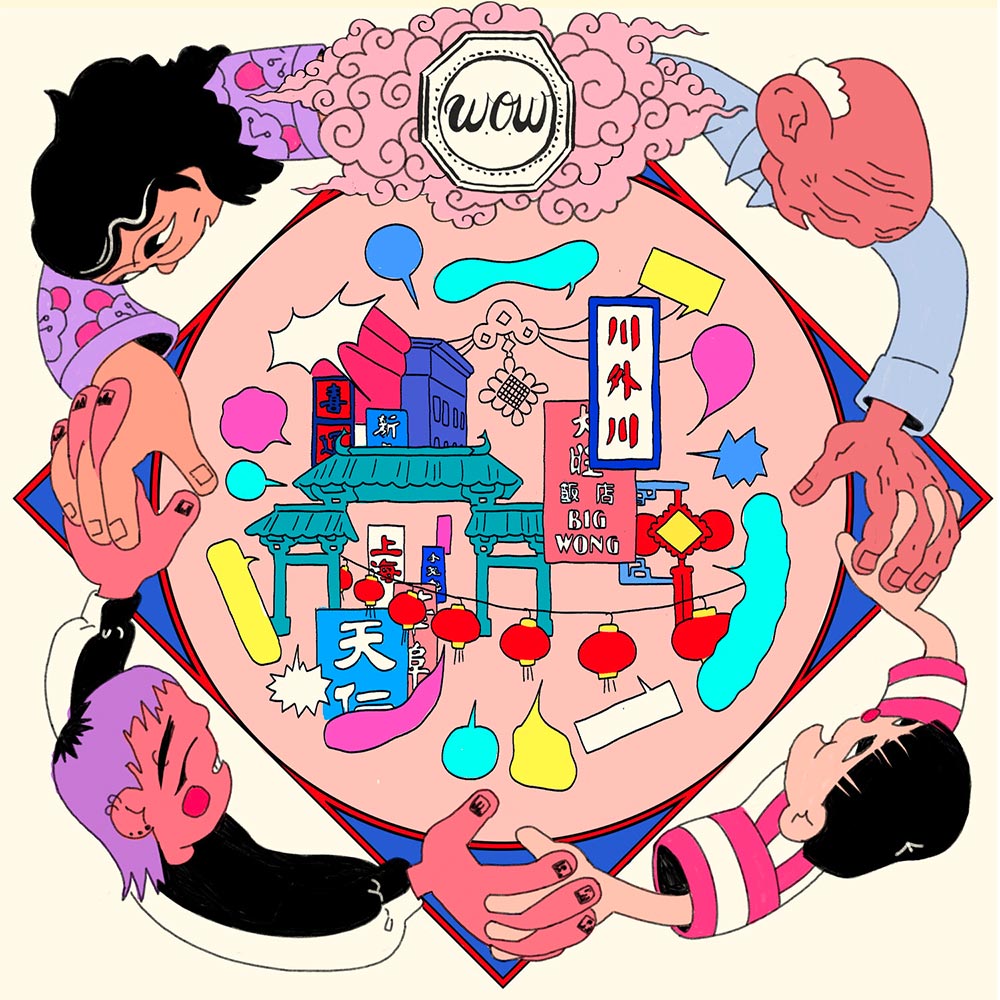
We Are Resilient: A National Conversation Across Chinatowns
The W.O.W. Project is one of my favorite Asian American arts organizations, and for their 4 year anniversary I was pleased to host a discussion with Chinatown communities across North America. From New York to Boston to Toronto to San Francisco's Chinatowns — we came together to address urgent concerns in our various communities amidst the urgencies of 2020, coming together for unity, solidarity, and community care.

Serving Versus Observing Communities as Part of Preservation Practice
As one of the National Trust for Historic Preservation's "People #SavingPlaces," I write about working and communicating with underrepresented communities as part of preservation practice. In this article, I describe how I approach communities, as an outsider, in ways that promote mutual thriving.
The Digital Future of Museums
In this chapter of The Digital Future of Museums (Routledge, 2020) Curator Sarah Brin and I discuss agency, expertise, play, trust and institutional change – both inside the traditional museum context and beyond.
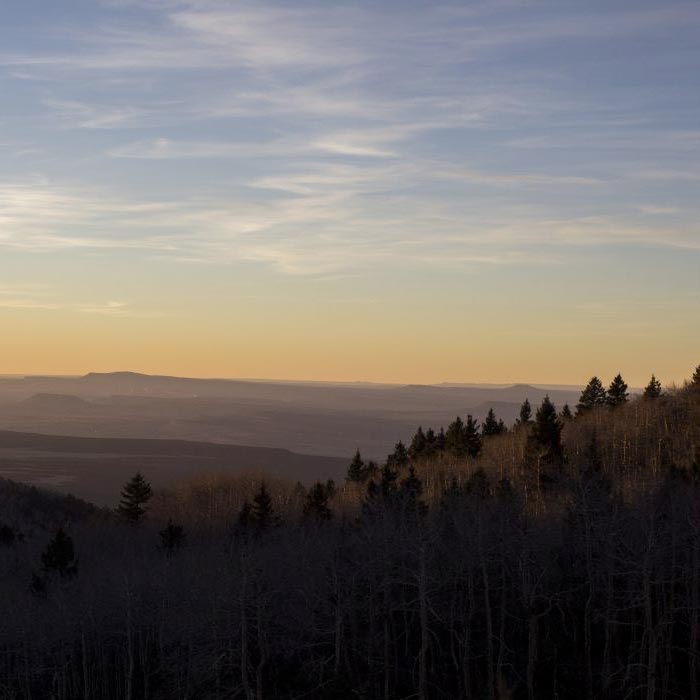
Extract: Locating Indigeneity in Immigrant Experiences
This article is a reflection of my early experiences in Diné Bikéyah (Navajoland) which shifted how I think about my ancestral lineage of immigration. I consider how contextualizing my Asian American identity in indigeneity has deepened my understanding of who I am on this land.
Culture Lab Playbook
The Culture Lab Playbook is the Smithsonian Asian Pacific American Center’s guide to community-centered museums practice, developed in collaboration with Education Specialist Andrea Kim Neighbors and a host of Culture Lab artists. It was released in Spring 2018 and has been used by museums, organizations, and schools throughout the world.
Digitized Destinies
In this talk, I describe how museums’ relentless pursuit for larger digital footprints are a continuation of an expansion-driven tradition rooted in Manifest Destiny. Presented in March 2018 at Georgetown University.
Foreign National
In this podcast interview, I talk with D.C. power-couple Seda Nak and Erik Bruner-Yang about what it means to experience food, art, and culture from a transnational perspective. I also talk about Culture Labs, and shout out my favorite Asian snacks!
Grounded Pasts + Elevated Futures
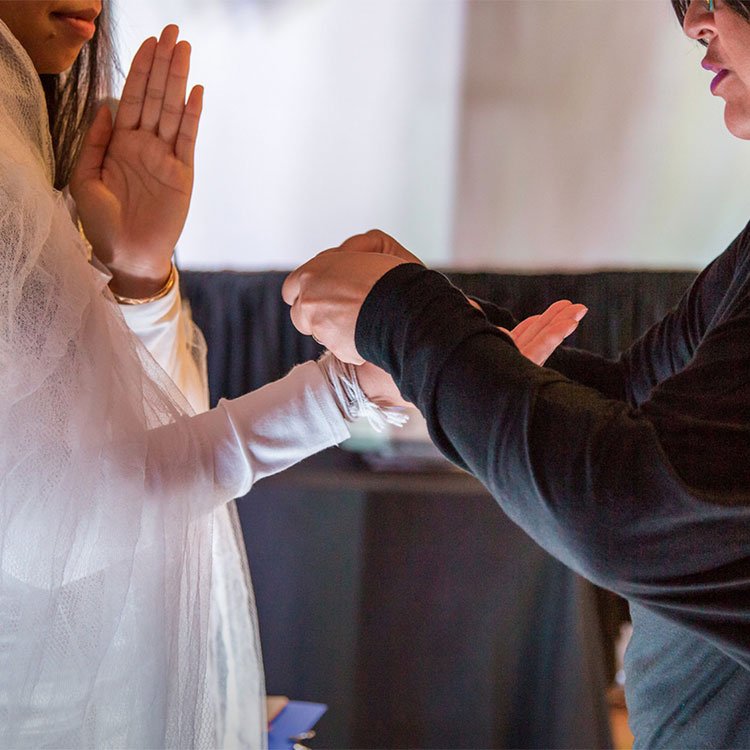
In this talk, I challenge the current popularity of the term futurism by investigating the word’s troubled history, and how communities of color can resist conceptualizing time as a linear concept. Presented as a part of Curating Radical Futures Colloquium in November 2017 at the Tate Modern in London, presented by Outset and Arts Council England.
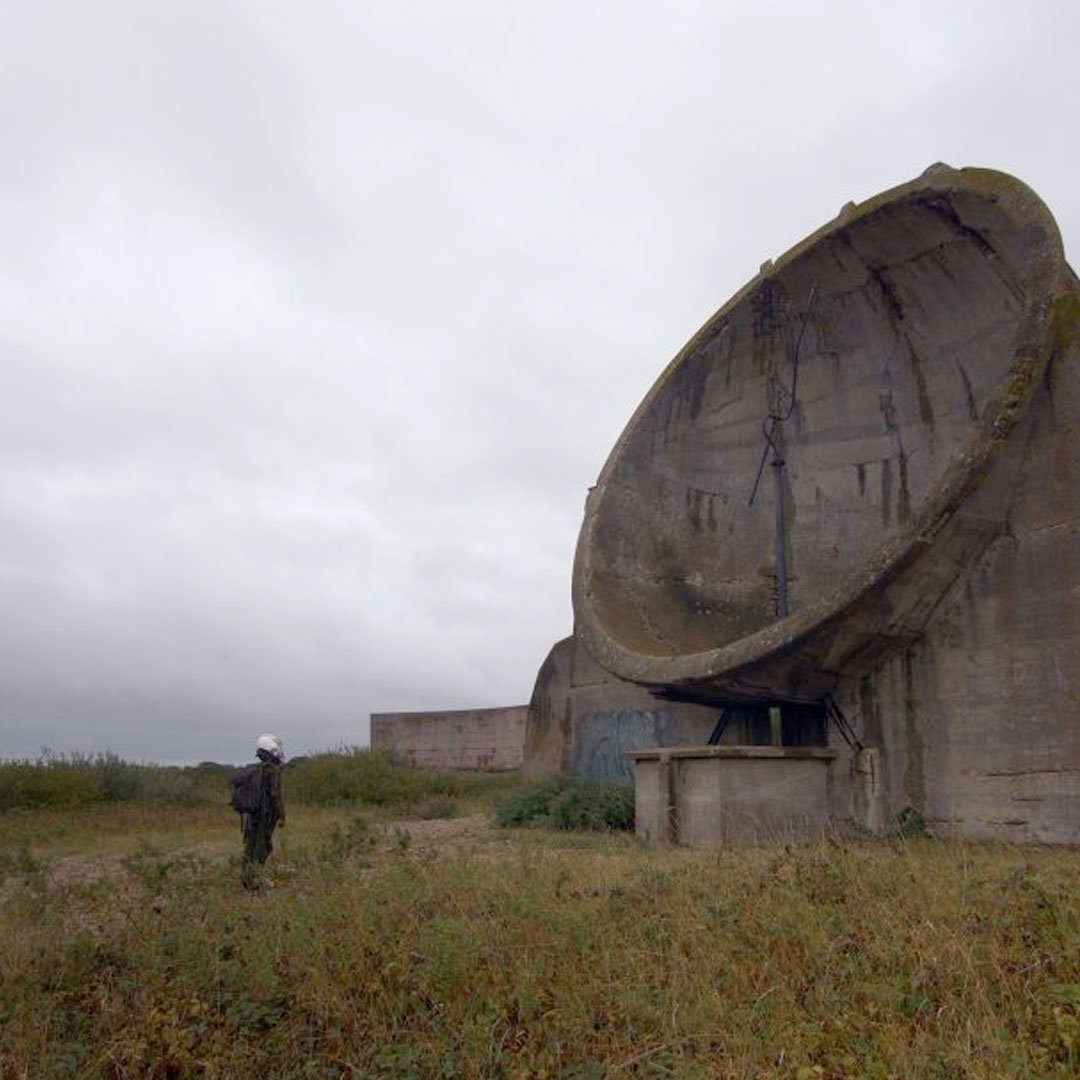
Curating Radical Futures
In this interview, I speak with London-based curator Annie Jael Kwan about how current conceptualizations of the future are informed by race discourse, gentrification, and activism. Recorded in preparation of my above talk, “Grounded Pasts + Elevated Futures”
Culture Lab Manifesto
The Culture Lab Manifesto is the Smithsonian Asian Pacific American Center’s professed set of guiding principles for community-centered museums practice. It was developed by the Center’s staff after reflecting upon its first two Culture Labs, and made public as a resource for other organizations and institutions who work within communities. The Culture Lab Manifesto was published in the July/August 2017 issue of Poetry and officially debuted at the Smithsonian Asian American Literature Festival.
Imagine Otherwise: Radical Curation
In this podcast interview, I am joined by co-curators Kālewa Correa and Lawrence-Minh Bui Davis to talk about the process of developing the Smithsonian Asian Pacific American Center’s community-centered curatorial practice, and our vision for July 2017’s ʻAe Kai: A Culture Lab on Convergence in Honolulu.
Dismantling Diversity in Museums
In this talk, I challenge museums that view diversity as a topic that can be contained in a program or position. I advocate for an approach to diversity that embraces people from vast walks of life coming as their full, complex, and nuanced selves. Presented in March 2017 at the Rockwell Museum in Corning, NY.
Museopunks: The State of Love and Trust
In this podcast interview, I speak with Suse Andersen and Jeffrey Inscho about what it means for museums to cultivate trust in communities that have not historically viewed institutions as places made for them.
How Museums Can Better Serve Local Arts and DIY Venues
In this article, I describe the long and complex history between museums and DIY art spaces. Following the 2016 fatal disaster at Oakland’s Ghost Ship, I advocate for museums and institutions to share safety resources and information with DIY communities.
Building Communities of Trust
In this talk, I’m joined by co-curator Kālewa Correa to present the Smithsonian Asian Pacific American Center’s model for Culture Labs for the first time on an international stage. We describe how Culture Labs prioritize cultivating a deep sense of trust among artists, curators, museums, and their greater communities. Presented in February 2017 at MuseumNext at the Australian Centre for the Moving Image in Melbourne.
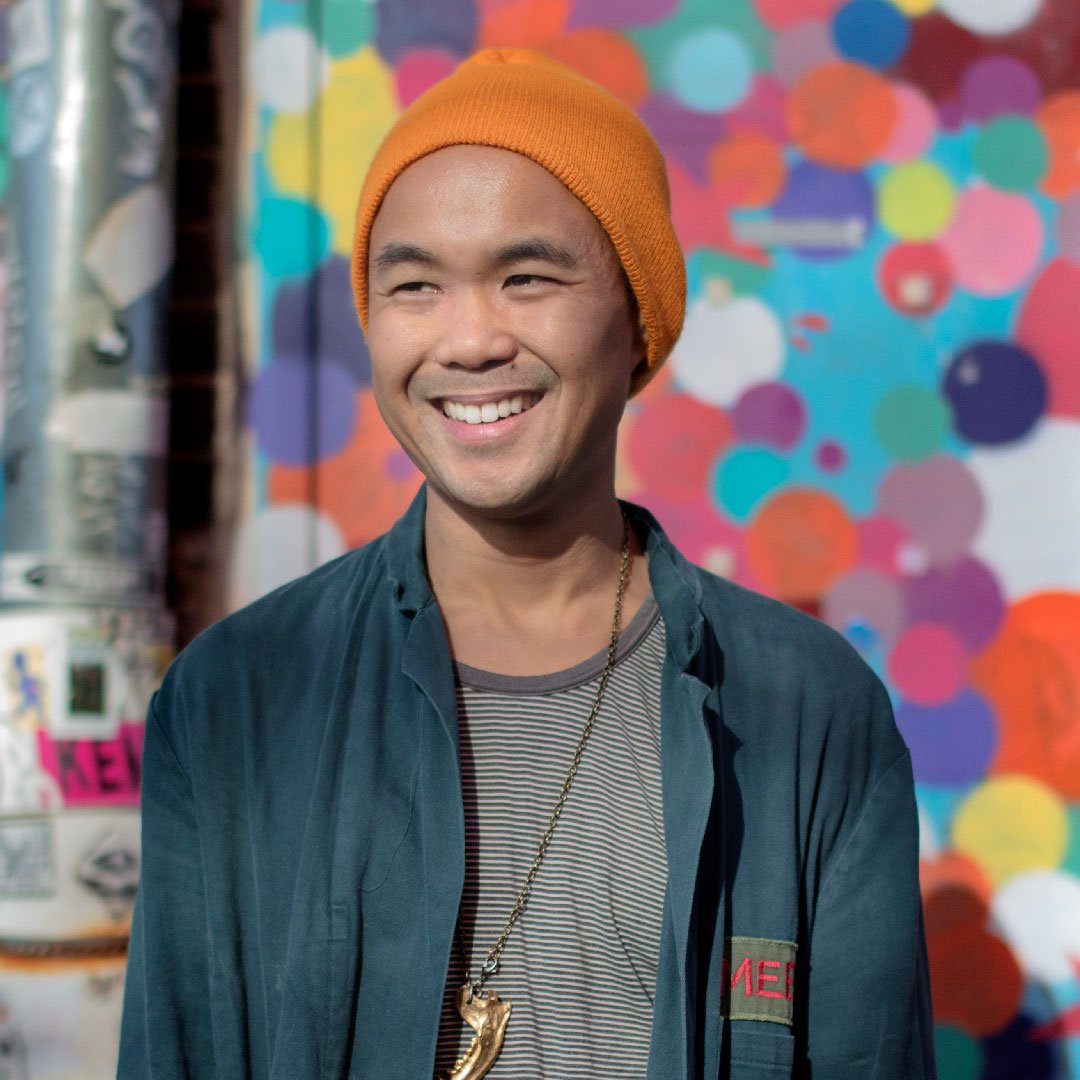
Smithsonian Thought Leaders
I was profiled in the Smithsonian’s 2016 Annual Report, and I took the opportunity to highlight communities that are often underserved by major museums. I describe the intentionality behind curating shows that might seem “rough around the edges” compared to pristine aesthetics common to museums, and why local Washington, D.C. culture deserves a place at the Smithsonian.
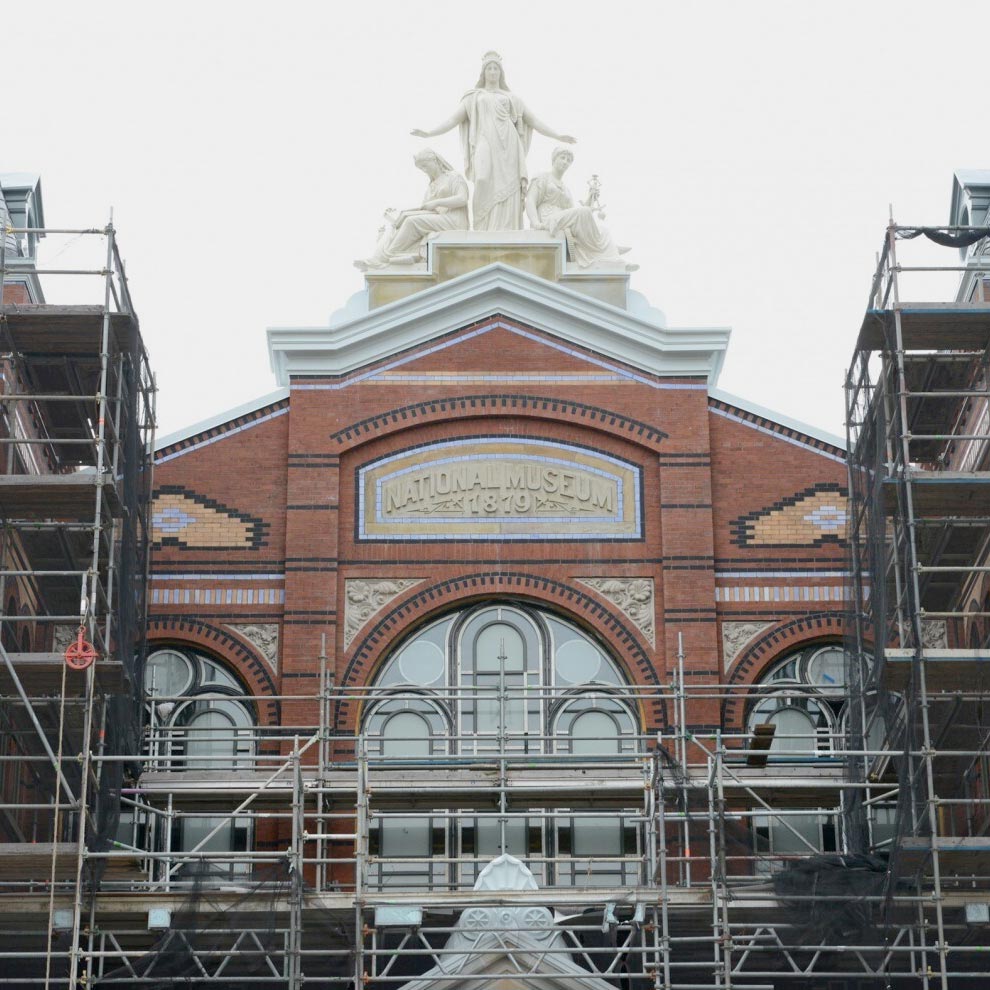
The Public Puts Great Trust in Museums, and Now It’s Time Museums Trust the Public
I wrote this article on the days leading up to CrossLines, the first Smithsonian Culture Lab, as a way to document the community-centered perspectives that went into the project's curatorial approach. I advocate for us to expand our imagination for how museums can steward information exchange and cultural preservation.
Likewise
In this podcast interview, I speak with fellow Bay Area native Matt Pana about how my path as a grassroots artist led to my position as a curator at the Smithsonian.
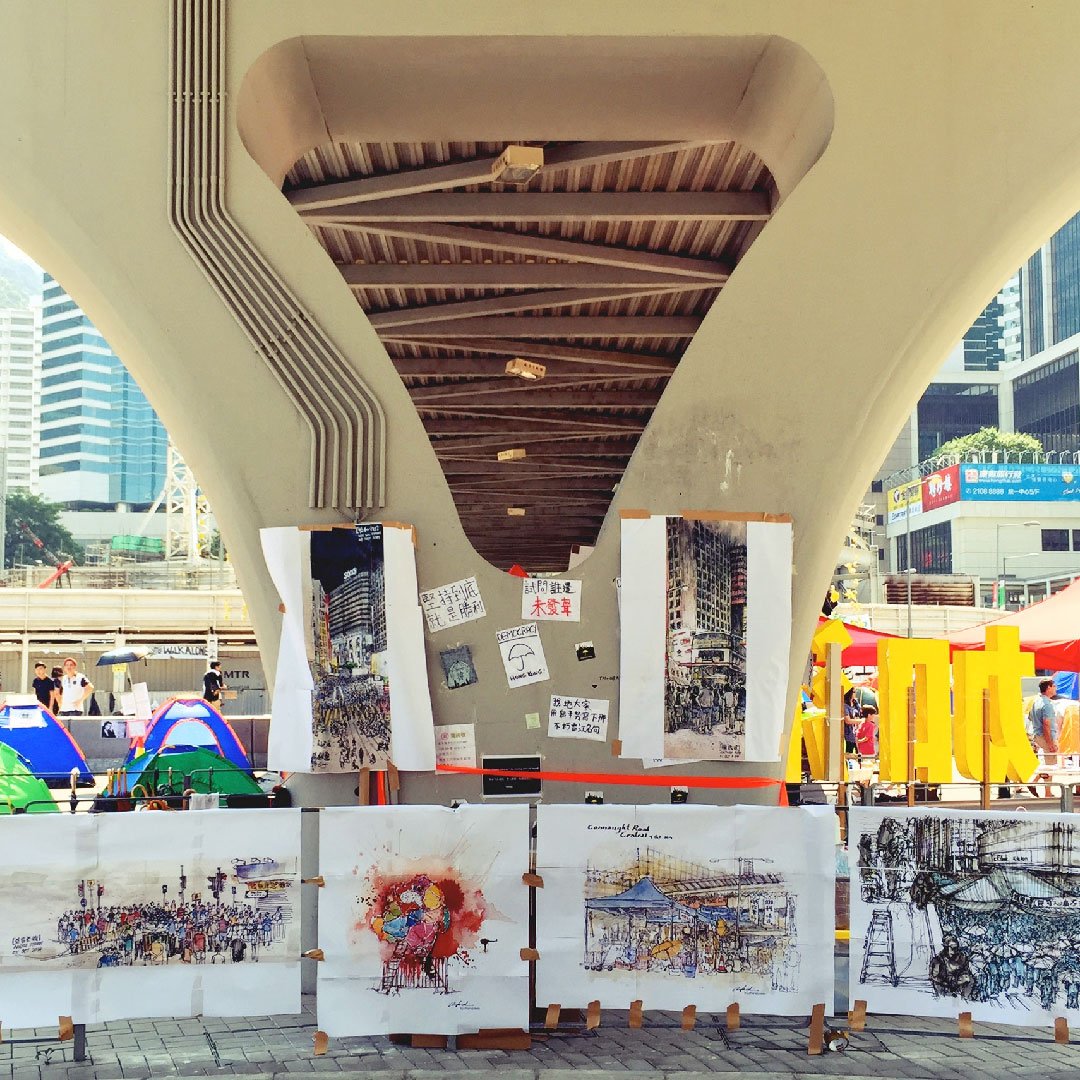
A Museum of the Future on the Streets of Hong Kong
In this written piece, I reflect on my October 2014 trip to Hong Kong to witness the Umbrella Movement. Through photos and prose, I describe how my encounters with the movement’s democratic approaches to art and education have influenced my understanding of what it means to curate in response to geopolitical moments. Originally published in the Fall/Winter issue of the Asian American Literary Review
Redrawing Borders: Building Asia’s Museum Culture in the Digital Age
In my first published paper as a curator, I share my early research on the colonial history that introduced museums to Asia, and how emerging arts spaces in the region are using technology to carve new and unique methods for sharing art, history, and culture. Originally published and presented in October 2014 at Museums and the Web Asia in Daejeon, South Korea.
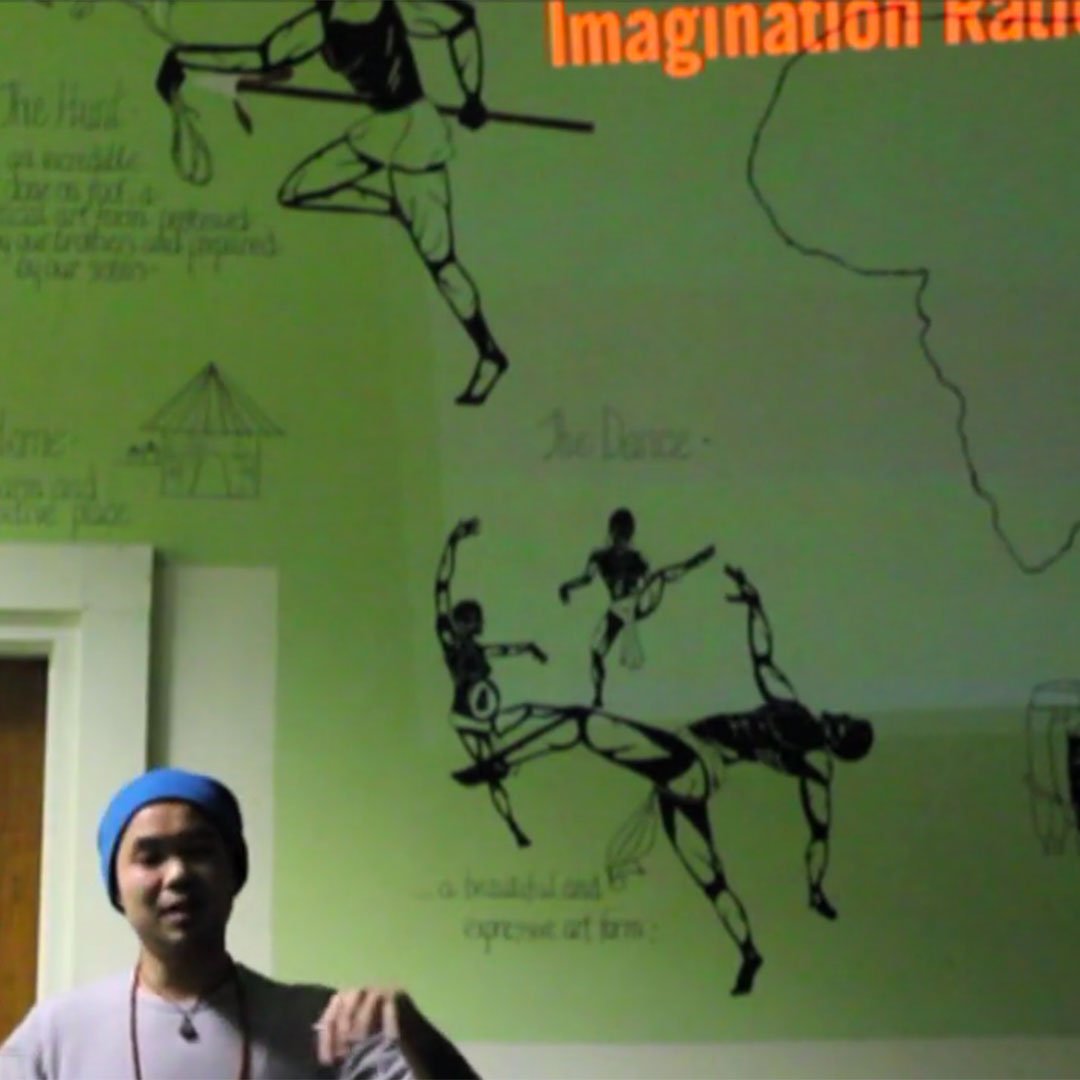
Imagineering the HereNow
My belief in the power of collective imagination was born out of my work with iLL-Literacy. In this talk, I describe why creativity and activism share a vital relationship, and how the history of activism can be traced through a constant flow of new ideas. Presented in November 2010 as a part of iLL-Literacy’s CampusBUiLLD at Ithaca College.